Finding a reliable walk-in counter when you need certified funds
If you need guaranteed funds or want to send cash quickly, your most accessible walk-in options are retail customer service desks, post offices, convenience marts, and neighborhood check-cashing counters. Many multi-service storefronts, including pawnshops and local financial desks, also host licensed wire terminals. These locations allow you to walk up to an agent, hand over cash or a debit card, and walk away with a printed money order or a confirmed transfer receipt in minutes.
Operating hours vary depending on the provider you choose. Standard post office branches generally close in the late afternoon on weekdays and around noon on Saturdays. By contrast, large grocery stores and general retailers keep customer service desks open well into the evening. If you need funds outside standard banking hours, late-night convenience stores and extended-hour neighborhood service shops found across regions like Pawn Shops in Texas offer a dependable alternative when local banks are closed.
Before heading out, make sure the specific desk handles the exact transaction you require. While basic paper money orders are standard at almost all retail customer counters, processing an electronic wire requires an authorized terminal and a trained clerk. Calling ahead to confirm agent availability can save you an unnecessary trip, especially if you plan to visit an independent neighborhood counter close to closing time.
Payment methods counters accept and why plastic gets tricky
Physical cash is the universal payment method for both money orders and wire transfers. Because a money order functions as certified payment, the issuing desk must collect non-reversible funds before printing the document. Most commercial counters and postal stations also accept bank debit cards entered with a four-digit PIN, treating the swipe essentially like an electronic cash withdrawal directly from your checking account.
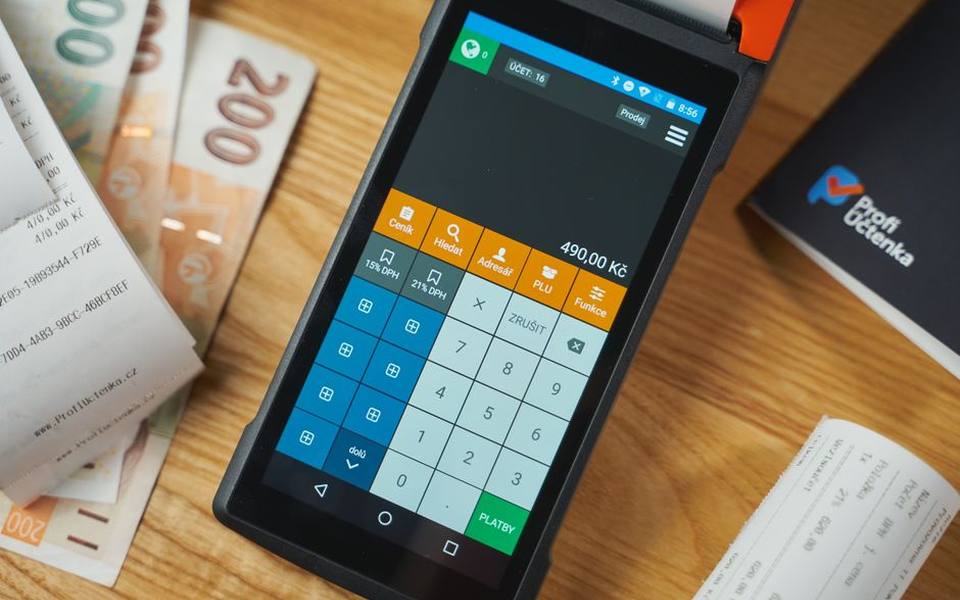
Using a credit card to purchase money orders or fund a wire transfer is rarely an option. Most retail point-of-sale systems automatically block credit cards for financial instruments to protect against chargeback fraud. Even where a specialty counter permits a credit card swipe, your card issuer will typically categorize the charge as a cash advance rather than a retail purchase. This triggers immediate upfront transaction fees and higher interest rates that begin accruing from day one without a grace period.
Personal checks are almost never accepted for buying money orders or funding outgoing wires at walk-in counters. Retail desks have no reliable way to verify checks in real time, making them an unacceptable risk for non-cancellable paper documents. Whether you visit a counter in dense urban markets like Pawn Shops in Florida or a small-town shop, bringing paper currency or your debit card ensures an easy, uninterrupted transaction.
Understanding how money order and wire transfer fees work
Paper money orders are generally the most affordable way to send certified funds. Grocery stores and big-box retail centers typically charge a modest flat fee of a dollar or two per certificate. Postal money orders carry a slightly higher flat fee, though they carry government backing that many institutional recipients prefer. However, single money orders usually max out at one thousand dollars each, meaning larger obligations require multiple certificates, with a separate fee assessed on each one.

Electronic wire transfers use a completely different pricing model based on speed, destination, and payment method. Walk-in domestic cash transfers typically feature tiered flat rates based on the total principal sent, whereas international transfers add currency conversion margins on top of the base fee. In most states, wire agents are legally required to provide a clear pre-transaction disclosure outlining all transfer charges and exchange rates before you hand over your payment.
Choosing between a money order and a wire transfer comes down to urgency and total cost. If your recipient can wait for physical delivery by mail or handoff, a money order costs a fraction of an electronic wire. For everyday transactions cataloged across directories like all states, balancing delivery speed against counter charges helps keep routine administrative expenses manageable.
Delivery timelines and keeping track of your funds
Speed is the main benefit of an electronic wire transfer compared to a paper instrument. When you send funds counter-to-counter through a retail wire network, the cash is typically available for the recipient to claim within minutes, assuming the destination desk is open. Traditional bank wire transfers, on the other hand, move through clearinghouse channels and can take one to two business days to settle into an account.
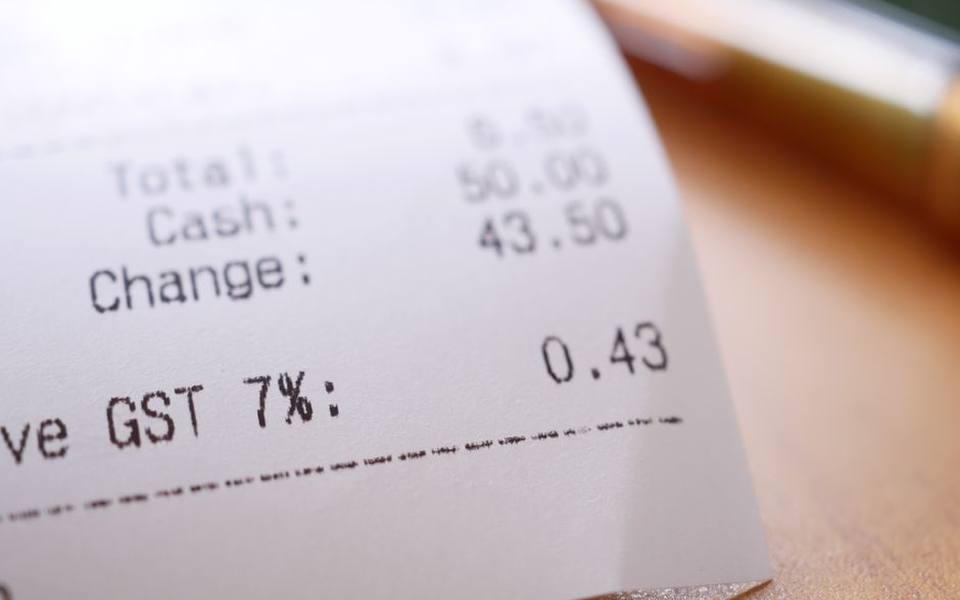
After processing an electronic transfer, the agent hands you a receipt containing a unique tracking code or reference number. Your recipient will need this number, along with matching government identification, to collect the cash at their local counter. Without the reference code, destination clerks cannot pull up the transfer record, resulting in frustrating pickup delays.
Paper money orders do not travel through electronic tracking networks; their delivery speed depends on postal transit or personal delivery. Because of this, holding onto your printed customer stub is vital. That detachable stub contains the serial number needed to verify whether the certificate has been cashed or to file an official claim if the document gets lost in transit.
Filling out paperwork correctly to avoid rejected payments
The most critical rule of buying a money order is writing in the payee name immediately after purchase. Until you write the recipient's name on the front, a money order is essentially open cash; if you drop it, anyone can fill in their own name and deposit it. Bring your own pen and write the legal name of the person or business receiving the payment right at the counter.
You must also print your name and current address in the purchaser section and sign the designated line on the front. Never sign the back of the money order; that endorsement line is reserved strictly for the recipient when they deposit or cash the certificate. Making alterations or crossing out errors on the document will usually cause banks to refuse it outright.
Counters across busy areas like Pawn Shops in California regularly deal with rejected documents due to scribbles or damaged edges. If you make an error while addressing a money order, do not use correction tape or write over the mistake. Bring the original slip and your purchase receipt back to the issuing counter to request an official replacement or cancellation.
Published 2026-09-20 · reviewed with each rebuild, last September 2026.
Find pawn shops near you
The directory lists 7,381 pawn shops by state and city — pick your state or use the “Near me” button in the header.
More guides
-
 Money
MoneyHow to Buy and Sell Silver Bullion, Coins, and Sterling
-
 Service
Watch Battery Replacement and Sizing Guide: Costs, Links, and Services
-
 Money
MoneyWhere and How to Sell a Used iPhone for Cash Today
-
 Service
Ring Resizing Costs, Metal Limits, and Local Repair Options
-
 Money
MoneyWhere to Buy and Sell Pokemon and Trading Cards
-
 Money
MoneyHow to Sell Gold Jewelry, Scrap Gold, and Diamonds
-
 Money
MoneyHow to Buy, Value, and Sell Used Rolex Watches