Where Collectors Track Down Sealed Packs and Singles
If you are hunting for sealed booster packs, tins, or blister packs, your most accessible retail stops are large department stores, dedicated hobby shops, and regional pharmacy chains. Many convenience drugstores carry modern card packs behind the checkout counter or near photo counters to reduce theft. For high-end singles, older vintage sets, and graded cards, neighborhood card shops and specialty secondhand brokers offer the deepest variety. Inventory fluctuates rapidly based on regional distributor delivery schedules and collector demand.
Retail stores typically restock trading cards once or twice a week through third-party merchandising vendors rather than store staff. Because popular releases can vanish from shelves within hours, casual collectors often find better luck checking pharmacy counters, small bookshops, or independent hobby shops that limit pack purchases per customer. These smaller venues provide a steady alternative when mass-market retail shelves sit empty.
When searching for older packs or entire collections that have left retail circulation, secondhand shops and local brokers become your best avenue. Using an independent pawn shop directory covering 4,676 listings in top states lets you scout storefronts that frequently acquire private collections from estate liquidations or hobbyists needing quick cash.
How Pawn Shops Evaluate Pokemon and Sports Cards
Many people wonder whether local pawnbrokers accept collectible cardboard alongside conventional items like gold jewelry or gear found at pawn shops for electronics. While acceptance varies by location, many shops actively buy baseball cards, football cards, and popular trading card games. The decision depends primarily on whether the shop has staff on hand who understand card valuation and resale channels.
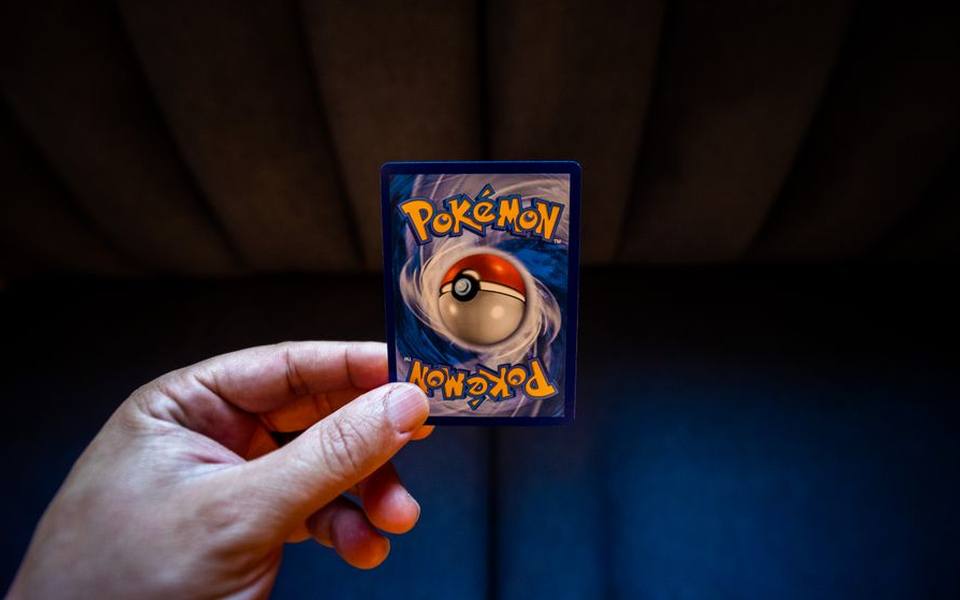
A pawnbroker looking at a sports card or gaming card assesses resale liquidity above all else. Vintage Hall of Fame baseball cards, numbered football rookie parallels, and first-edition holographic gaming cards possess clear, steady demand. Conversely, mass-produced base cards from the late eighties and nineties or unsorted bulk modern commons are difficult to resell and are routinely declined by storefront appraisers.
When an appraiser makes an offer, they typically calculate a percentage of recent confirmed sales rather than the highest asking price seen on internet listings. Secondhand dealers face storage overhead, market volatility, and transaction fees, so their offers reflect realistic wholesale liquidation rates rather than top-of-the-market retail figures.
Grading, Condition, and Spotting Real Value
Physical condition dictates nearly everything when valuing collectible cards. A card that looks clean on first glance can lose a substantial amount of value if it exhibits silvering along the foil edges, surface micro-scratches, or imperfect centering. Third-party grading companies encapsulate cards in clear acrylic holders, assigning a numerical score from one to ten that standardizes value across the secondary market.
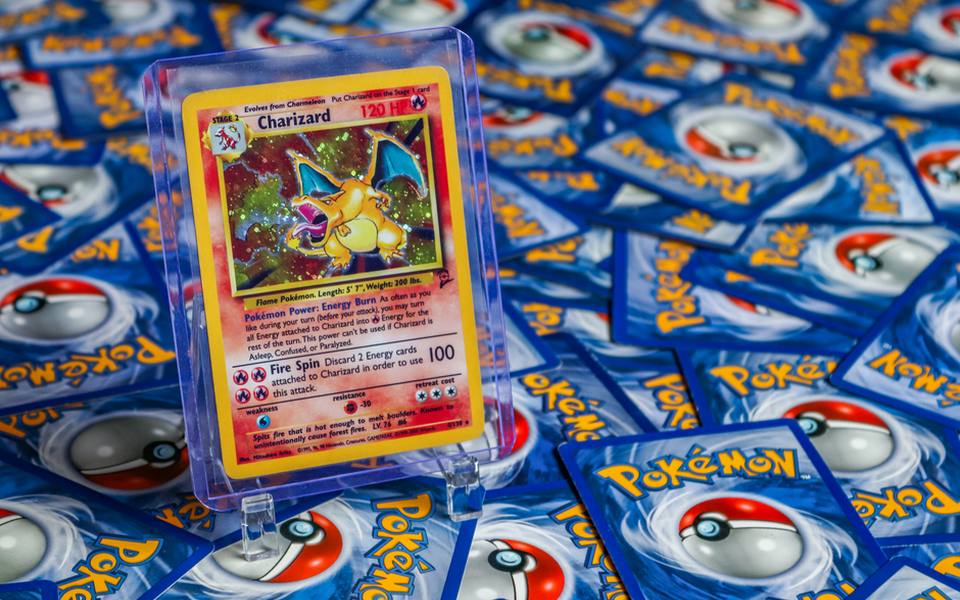
Raw, uncertified cards carry more risk for a buyer, which usually translates to lower cash offers. When you present unslabbed cards, expect the buyer to examine the surface under bright directional light and inspect edges with magnification. Graded cards with authenticated labels remove ambiguity, making transactions faster and significantly more straightforward for both parties.
The same rules apply whether you are selling modern pocket monsters or vintage sports icons. Authenticity is a major consideration, as counterfeit cards and altered borders are increasingly common. Dealers prioritize cards with verified provenance, sharp corners, and intact surface gloss before committing funds.
Getting Cash: Selling Outright Versus Taking a Pawn Loan
One distinct advantage of dealing with a pawn broker is the ability to take out a short-term collateral loan instead of selling your collection permanently. If you have a high-value graded card with sentimental attachment, you can leave it as collateral to secure fast cash. Once you pay back the borrowed sum plus applicable service fees within the contract window, your card is returned to you.
Loan regulations, interest rates, and loan durations depend on state legislation. For instance, collectors working with pawn shops in Texas will encounter different fee schedules and holding requirements than those in other regions. If you have no intention of reclaiming the cards, an outright sale is the cleaner path and typically yields a slightly higher cash amount.
When selling outright, shops generally pay an amount that leaves room for retail margin, often ranging between forty to sixty percent of market value for raw cards and slightly higher for easily traded, high-grade slabs. This discount accounts for the convenience of immediate cash without shipping hassles, chargeback risks, or consignment delays.
Practical Steps Before Taking Your Collection to a Store
Walking into a shop with loose, unorganized stacks in shoeboxes often leads to an immediate decline. Take time to sort your collection by era, set, and rarity. Place every valuable card into an individual soft penny sleeve followed by a rigid top-loader or semi-rigid card saver to protect the surface and corners during transit.
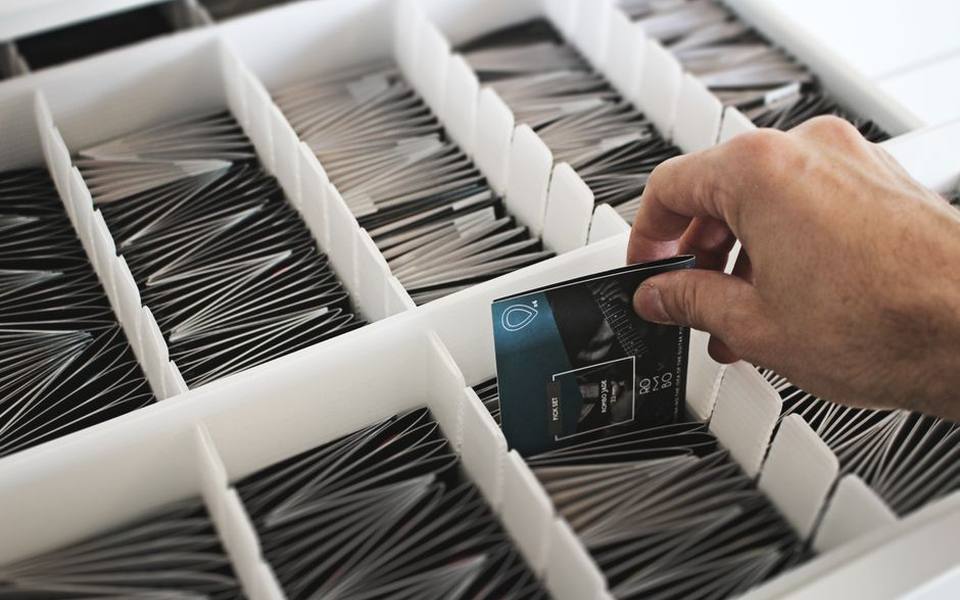
Prepare a simple inventory list that includes card numbers, player or character names, and whether the card is a variant, holo, or autographed insert. If you plan to visit high-volume markets such as pawn shops in California, an organized presentation demonstrates that you understand your collection's value and saves the appraiser valuable time.
Finally, call the location before making the drive. Asking whether an experienced card appraiser is working on that day prevents unnecessary trips and ensures you speak with someone authorized to review high-end collectibles and write accurate offers.
Published 2026-09-20 · reviewed with each rebuild, last September 2026.
Find pawn shops near you
The directory lists 7,381 pawn shops by state and city — pick your state or use the “Near me” button in the header.
More guides
-
 Money
MoneyHow to Buy Money Orders and Send Wire Transfers
-
 Money
MoneyHow to Buy and Sell Silver Bullion, Coins, and Sterling
-
 Service
Watch Battery Replacement and Sizing Guide: Costs, Links, and Services
-
 Money
MoneyWhere and How to Sell a Used iPhone for Cash Today
-
 Service
Ring Resizing Costs, Metal Limits, and Local Repair Options
-
 Money
MoneyHow to Sell Gold Jewelry, Scrap Gold, and Diamonds
-
 Money
MoneyHow to Buy, Value, and Sell Used Rolex Watches