What You Can Expect to Pay for a Size Adjustment
A standard ring adjustment generally costs anywhere from twenty to upwards of one hundred and fifty dollars, depending almost entirely on the metal, the direction of the resize, and the intricacy of the mount. Making a band smaller is almost always cheaper than enlarging it because the jeweler simply cuts out a tiny sliver of metal, solders the gap shut, and cleans the seam. If you need a piece made larger, the bench jeweler must bridge the gap with matching precious metal, which immediately adds raw material expenses onto standard labor.
Simple yellow gold wedding bands sit at the lowest end of the price spectrum, while platinum and intricate multi-stone bands command much higher rates. The labor involved requires heating the shank with a torch or precision laser, meaning fragile side stones often need to be unmounted or shielded with thermal paste before work starts. When shopping second-hand pieces at local storefronts, such as browsing regional inventories across pawn shops in Texas or nearby independent bench jewelers, factoring in potential sizing fees helps you evaluate the true final price.
Turnaround times typically range between a few business days and two weeks. Some walk-in shops with an in-house jeweler can handle a basic plain-band sizing while you run errands, but heirloom mountings or rings requiring prong tightening after stretching usually stay in the repair queue longer. Getting an itemized quote before leaving your piece ensures you know whether polishing, stone resetting, or rhodium plating is included in the base estimate.
How Precious Metals Affect the Repair Bill
The specific alloy of your ring dictates both the torch temperature required and the cost of any filler material spliced into the shank. Yellow gold and rose gold are relatively forgiving to work with, though rose gold contains copper that can crack under sudden thermal stress if not annealed properly. White gold requires an additional finishing step: after the joint is soldered and buffed smooth, the jeweler must electroplate the piece with rhodium to restore its mirror-white sheen, which usually adds thirty to fifty dollars to the ticket.
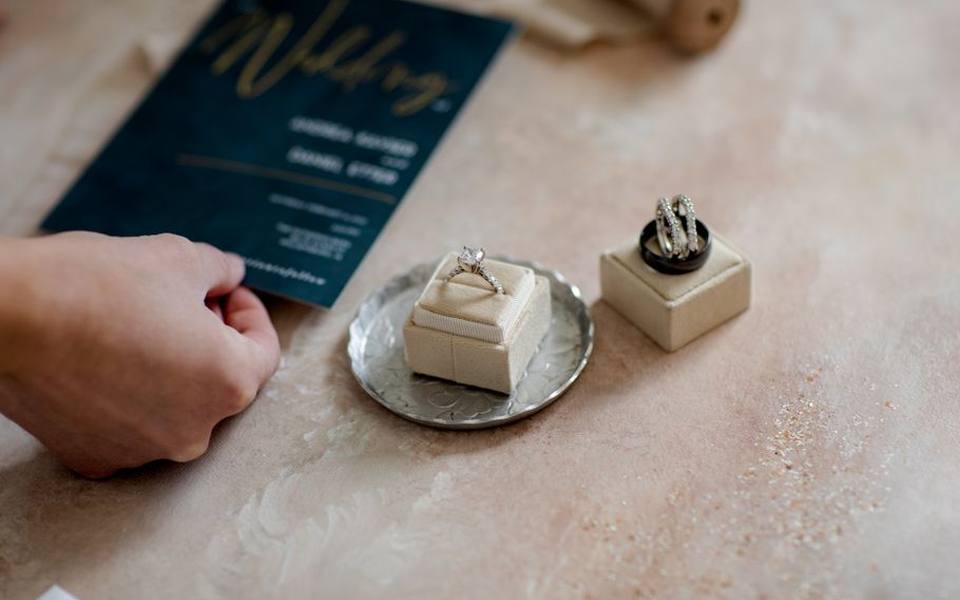
Platinum is significantly denser, melts at a much higher temperature, and demands specialized eyewear and high-heat torches. As a result, bench fees for platinum rings are commonly double those for standard karat gold. If you are comparing pre-owned mountings at pawn shops for jewelry, checking the interior purity stamp gives you an immediate clue about future modification expenses. Pure silver is fairly soft and inexpensive to resize, though silver dissipates heat so rapidly across the whole ring that heat-sensitive stones require extra labor to protect.
Alternative contemporary metals fall into an entirely different category. Modern rings crafted from tungsten carbide, titanium, cobalt chrome, or ceramic cannot be resized using traditional soldering benches because these industrial materials are either too hard to stretch or shatter under direct point pressure. If an alternative metal band no longer slides past your knuckle, full replacement of the band is typically the only viable route.
Structural Limits and When Rings Cannot Be Sized
Most jewelers prefer to adjust a band by no more than two full sizes up or down. Forcing a ring beyond this window changes the geometry of the circular shank into an unnatural oval, which pulls the stone settings out of square. If you try to stretch a three-stone engagement ring four sizes larger, the tension holding the side stones can slacken instantly, leading to loose gems or cracked prongs down the road.
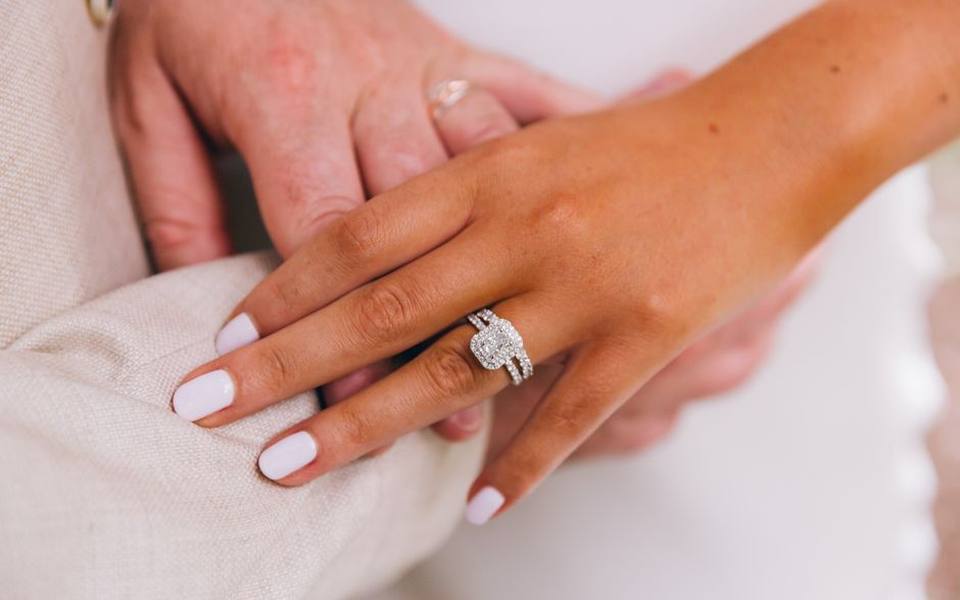
Eternity bands featuring diamonds or gemstones set completely around the perimeter are virtually impossible to resize through standard cutting. Because there is no plain metal section on the bottom of the shank, taking out metal means destroying an entire stone seat, while adding metal leaves an awkward blank gap that ruins the continuous pattern. Some craftspeople can rebuild sections of an eternity band, but the cost frequently rivals buying a brand new mounting.
Hollow shanks, channel settings, and rings with delicate surface engraving also present major hurdles. When a hollow band is clamped or bent, the walls tend to crush rather than stretch smoothly. Similarly, detailed vintage filigree often gets distorted near the cut site. If you own an intricate piece that cannot safely withstand structural modification, non-invasive solutions like internal sizing beads, spring-loaded horseshoes, or silicone clip-on adjusters can keep the ring upright without touching a torch to the metal.
The Resizing Process Step by Step
A proper resizing begins with an accurate knuckle-and-finger measurement using steel sizing rings that match the exact width of your band. Wide bands fit significantly tighter on the finger than thin solitaires, so a jeweler will account for millimeter width before settling on a target size. Next, the jeweler evaluates the under-gallery and checks for maker marks, hallmarks, and structural weak points from past repairs.
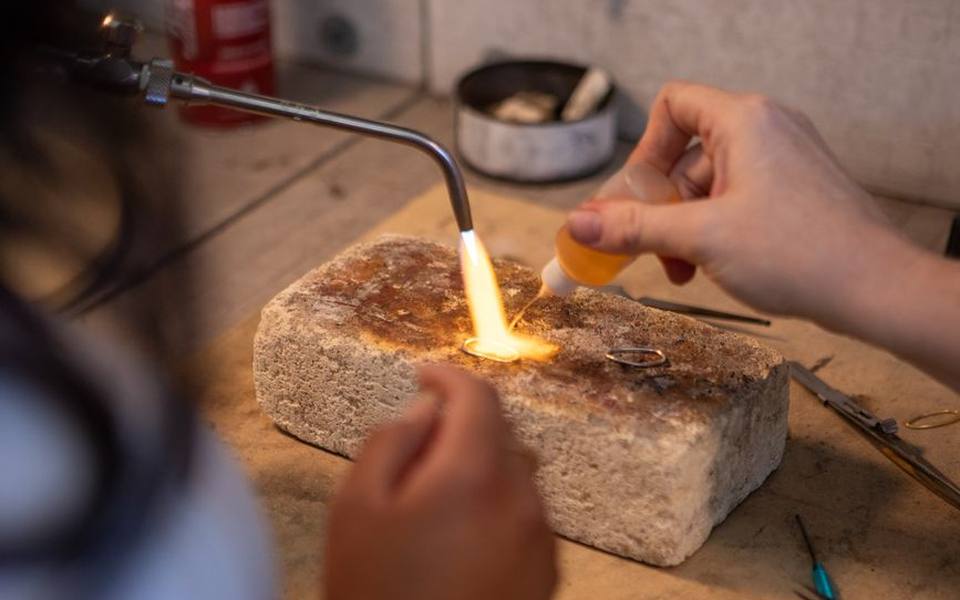
To size down, the jeweler marks the bottom dead center of the shank, makes two clean cuts with a fine jeweler saw, and removes the calculated section. The two open ends are bent inward until they meet seamlessly with zero gap. The seam is coated with flux, joined with matching gold or platinum solder under a pinpoint torch flame, and allowed to cool. For laser welding, matching wire fills the seam under microscopic magnification without overheating neighboring areas.
Finally, the ring is placed onto a steel mandrel and tapped lightly with a rawhide mallet to restore its perfect circular profile. The seam is filed flat, sanded with descending grits, and polished on a buffing wheel. A thorough jeweler finishes by using an ultrasonic bath and a steam wand to strip away polishing rouge, inspecting every gem under a loupe to guarantee no stones loosened during rounding.
Where to Take Your Jewelry for Fast Turnaround
You have several distinct avenues when searching for reliable bench work in your area. Traditional retail boutiques often outsource repairs to regional trade shops, which can inflate markup and extend turnaround times to several weeks. Independent family jewelers with an active bench on the premises offer faster service and let you speak directly with the artisan handling your heirloom.
Neighborhood secondhand dealers and storefronts with an in-house counter, such as specialized gold and precious metal buyers, frequently employ seasoned bench jewelers or maintain tight partnerships with local trade benches to service incoming estate pieces. Whether you are checking local services near pawn shops in Florida or exploring repair options through pawn shops in California, asking whether the repair bench is physically on-site gives you a realistic estimate of turnaround time.
Before handing over valuable jewelry, ask the shop how they document stone characteristics upon intake. Reputable counters will map notable inclusions on your center diamond or measure carat weight estimates on the intake receipt. This simple paper trail gives you peace of mind that your original gemstone remains safe in its mounting from drop-off to final pickup.
Published 2026-09-20 · reviewed with each rebuild, last September 2026.
Find pawn shops near you
The directory lists 7,381 pawn shops by state and city — pick your state or use the “Near me” button in the header.
More guides
-
 Money
MoneyHow to Buy Money Orders and Send Wire Transfers
-
 Money
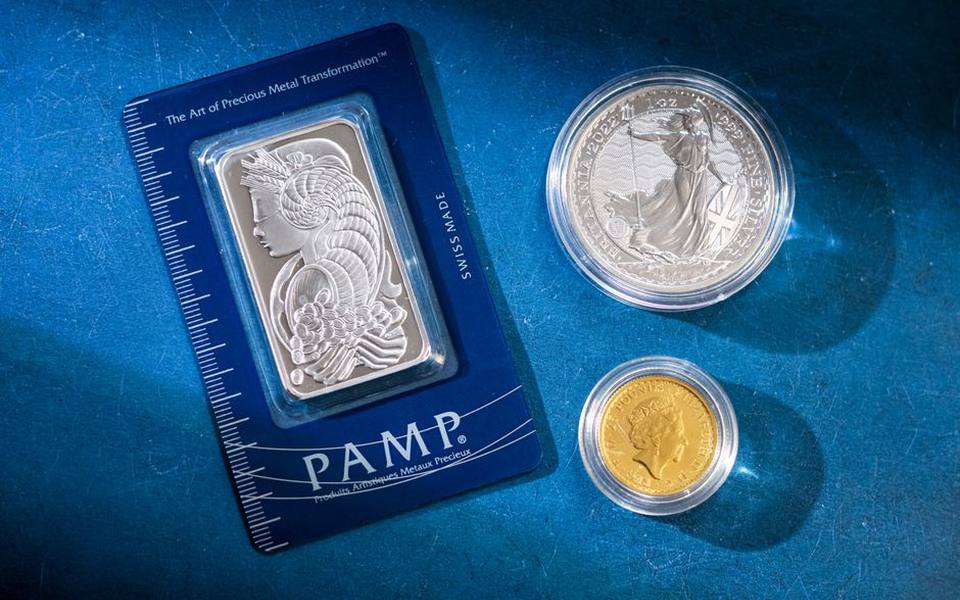
MoneyHow to Buy and Sell Silver Bullion, Coins, and Sterling
-
 Service
Watch Battery Replacement and Sizing Guide: Costs, Links, and Services
-
 Money
MoneyWhere and How to Sell a Used iPhone for Cash Today
-
 Money
MoneyWhere to Buy and Sell Pokemon and Trading Cards
-
 Money
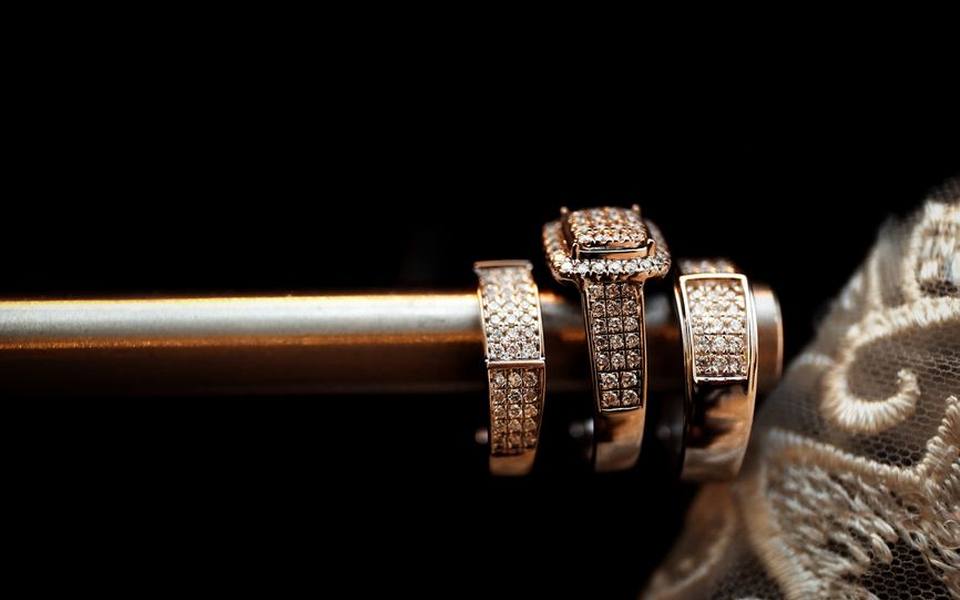
MoneyHow to Sell Gold Jewelry, Scrap Gold, and Diamonds
-
 Money
MoneyHow to Buy, Value, and Sell Used Rolex Watches