Identifying the Type and Purity of Your Silver
Getting a fair deal when buying or selling silver starts with identifying exactly what you have in front of you. Physical silver generally falls into three broad categories: investment bullion, sovereign coinage, and sterling household goods. Bullion bars and privately minted rounds typically carry stamps indicating .999 or .9999 pure fine silver alongside their weight in troy ounces. These trade purely on their precious metal content rather than historical value, making their pricing straightforward to track against daily commodity rates.
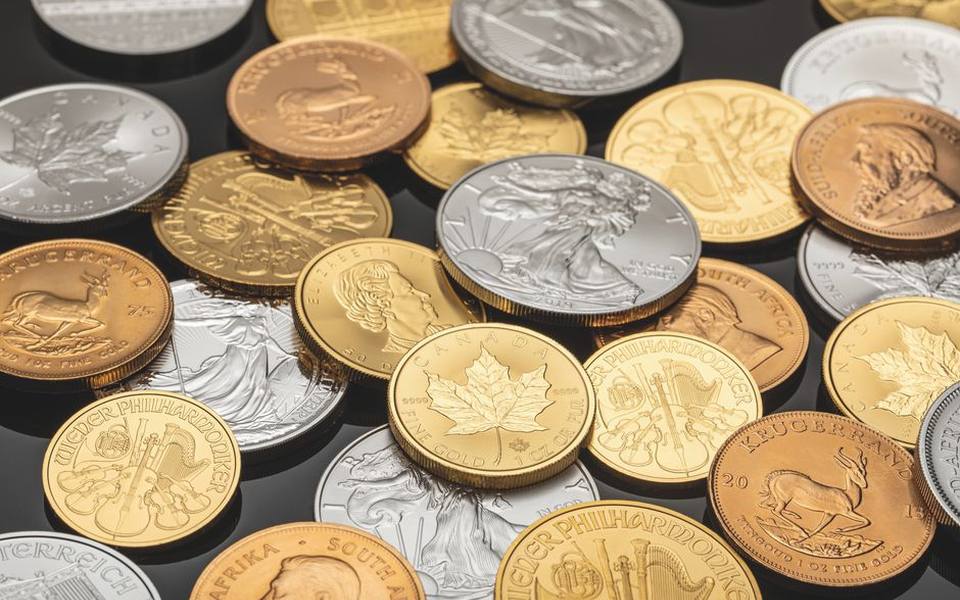
Sovereign silver coins are backed by government mints and carry official legal tender status. Prominent examples include American Silver Eagles, Canadian Maple Leafs, and British Britannias. In the United States, pre-1965 dimes, quarters, and half dollars are colloquially known as junk silver or constitutional silver, containing ninety percent pure silver. Because these coins have standardized weights and recognized purities, they remain among the easiest silver assets to liquidate quickly at local storefronts.
Sterling silver items include vintage jewelry, serving trays, candelabras, and flatware sets. Authentic sterling is typically stamped with numbers like 925, STERLING, or specific European hallmarks indicating a 92.5 percent silver composition combined with copper for structural durability. Be cautious with items marked with words like silverplate, EPNS, or quadruple plate, as these consist of base metals covered by a microscopic silver wash and hold negligible precious metal value.
How Spot Prices and Dealer Margins Influence Value
The underlying benchmark for all physical silver transactions is the global spot price, quoted in dollars per troy ounce. One troy ounce equals roughly 31.1 grams, which is slightly heavier than a standard postal ounce of 28.35 grams. Commodity exchanges update this spot price constantly during trading hours, establishing the base melt value for any piece of raw metal. However, private individuals rarely buy or sell physical silver directly at the exact spot price.
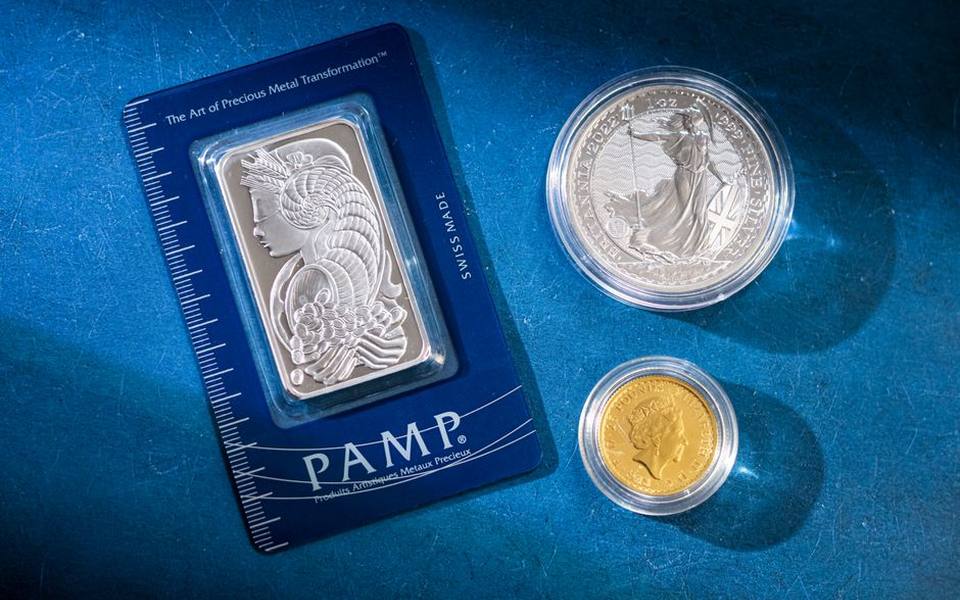
When selling silver, dealers and brokers must cover overhead, testing procedures, refiner assay fees, and local holding risk. Consequently, payout offers typically range anywhere from seventy percent to ninety-five percent of spot value depending on the product format. Generic bars and odd sterling items usually face wider dealer discounts because they require smelting. In contrast, widely recognized government-issued silver coins often command payouts closer to spot—or occasionally slightly above spot during periods of severe retail coin shortages.
When purchasing silver, you pay an additional premium above the current spot price. This retail markup covers the initial minting process, freight, dealer profit margins, and distribution expenses. Smaller denominations, such as one-ounce rounds or fractional bars, naturally carry higher percentage markups than ten-ounce or one-hundred-ounce ingots. Understanding these spreads prevents unrealistic expectations when stepping into a buying counter.
Where to Sell Silver for Fair and Immediate Cash
Local venues provide the clear advantage of immediate payment without the risks of shipping insurance or transit loss. Working with dedicated precious metal buyers is often the most direct route because these shops frequently own advanced diagnostic gear like non-destructive XRF spectrometers. These tools verify purity in seconds, eliminating guesswork on unmarked bars or foreign silver lots and resulting in cleaner, more predictable payout offers.
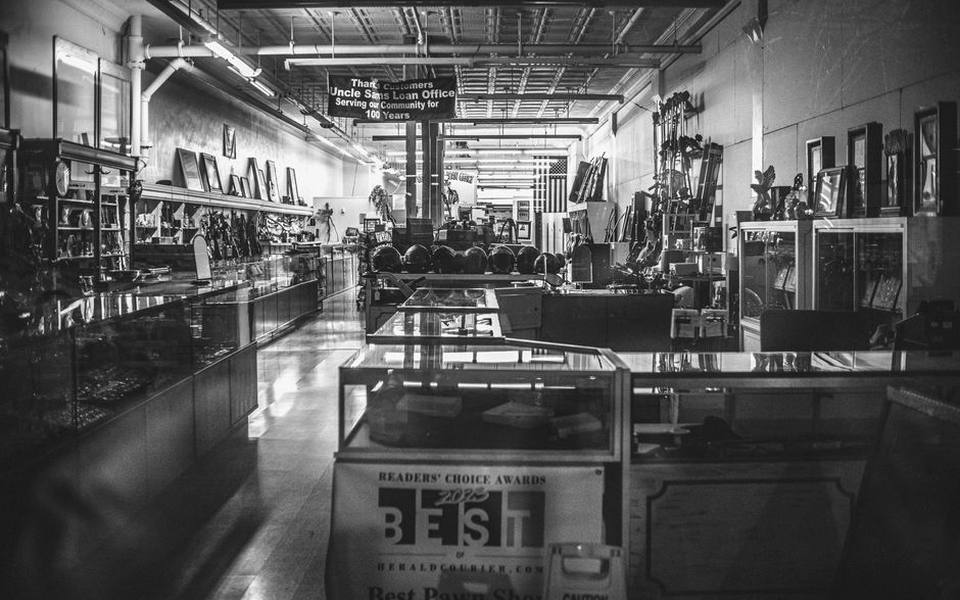
Neighborhood pawn shops are another widespread and accessible solution for fast transactions. Whether you are browsing pawn shops in Texas or visiting a store in your hometown, pawn brokers deal with precious metals daily. They will weigh your items on state-certified scales right in front of you. If you need liquidity but do not wish to part permanently with family heirloom silver, pawn brokers also offer short-term collateral loans against physical silver assets.
For sterling silverware sets, ornate hollowware, and antique pieces, consider consulting shops specializing in jewelry and estate collections. If a sterling flatware pattern comes from an acclaimed maker or has complete place settings, selling it strictly for melt value at scrap rates leaves money on the table. A buyer with an active retail market for vintage tableware will often pay above scrap weight to resell the items intact.
Strategies for Buying Physical Silver at Lower Premiums
If your primary goal is accumulating pure silver weight rather than collecting rare designs, prioritize secondary-market generic rounds and bars. Privately minted rounds from established refiners offer the exact same .999 pure silver content as government-issued bullion but trade at significantly lower retail premiums over spot. Secondary-market bars—pieces previously owned by other investors—carry even smaller markups because the dealer acquired them at a discount.
Buying larger bar sizes reduces your cost per ounce. A single ten-ounce or one-hundred-ounce silver bar requires less manufacturing effort and paperwork per ounce than ten individual one-ounce pieces. As a result, dealers generally price larger ingots with leaner markups. Just keep in mind that larger bars are less divisible; you cannot sell off a two-ounce portion of a ten-ounce bar if you only need a small amount of emergency cash.
Always inquire about cash-versus-card pricing when buying locally. Credit card processing fees eat directly into dealer margins, so many storefronts offer modest percentage discounts when customers settle transactions with cash, debit, or cashier's checks. Additionally, buying locally allows you to inspect the physical condition of the metal and confirm weight and authenticity before handing over payment.
Preparing for a Smooth In-Person Transaction
Before visiting any shop, do your own homework by calculating the baseline melt value of your holdings. Multiply the current silver spot price by the actual silver content in troy ounces. For sterling items, weigh the metal on a kitchen gram scale, divide by 31.1 to find total troy ounces, and multiply by 0.925 to isolate the pure silver weight. Knowing this raw baseline gives you the confidence to recognize a reasonable offer immediately.
Separate your items into organized categories before arriving at the counter. Group sovereign coins separately from generic rounds, and isolate sterling items from questionable plated wares. Doing this legwork saves time, shows the appraiser that you understand silver fundamentals, and minimizes the risk of a high-value piece being accidentally lumped in with bulk scrap metal.
In most states, secondhand metal transactions require valid government photo identification and state-mandated reporting records to deter property theft. Be prepared to present a driver's license or passport when closing a sale. Having realistic expectations, knowing your total weights, and visiting two or three local shops for competitive quotes will ensure you walk away with the best possible payout.
Published 2026-09-20 · reviewed with each rebuild, last September 2026.
Find pawn shops near you
The directory lists 7,381 pawn shops by state and city — pick your state or use the “Near me” button in the header.
More guides
-
 Money
MoneyHow to Buy Money Orders and Send Wire Transfers
-
 Service
Watch Battery Replacement and Sizing Guide: Costs, Links, and Services
-
 Money
MoneyWhere and How to Sell a Used iPhone for Cash Today
-
 Service
Ring Resizing Costs, Metal Limits, and Local Repair Options
-
 Money
MoneyWhere to Buy and Sell Pokemon and Trading Cards
-
 Money
MoneyHow to Sell Gold Jewelry, Scrap Gold, and Diamonds
-
 Money
MoneyHow to Buy, Value, and Sell Used Rolex Watches