What Gives a Pre-Owned Rolex Its Market Value
The secondary market price of a pre-owned Rolex typically comes down to reference rarity, operational condition, and completeness of original accessories. Unlike mass-market accessories, luxury timepieces hold intrinsic value rooted in precision engineering and global brand demand. An appraiser immediately checks whether the watch runs accurately, whether parts remain factory-original, and if you have the original warranty card or certificate. Even common stainless steel references can command substantial secondary prices if preserved properly, while heavily altered models usually take an immediate valuation discount.
Liquidity plays a major role in how dealers calculate offers. Sport models crafted from stainless steel often trade closer to baseline market averages because there is consistent daily turnover. Solid gold or two-tone variations can fluctuate significantly based on precious metal weight and shifting consumer tastes. When you consult gold and precious metal buyers, they look beyond melt value, factoring in the dial configuration, bezel condition, and intact factory markings that make the timepiece collectible.
Condition grading requires a discerning eye. Evaluators examine case sharpness, looking to see if over-polishing has softened the distinct factory bevels on the lugs. The bracelet condition is equally telling; excessive sag or stretch between the links indicates heavy daily wear, which can lower value or require an expensive restoration before resale.
How Automatic and Mechanical Movements Work
Luxury mechanical watches rely on pure horological engineering rather than batteries or digital circuit boards. A traditional manual-wind mechanism requires the wearer to turn the crown by hand to tighten the mainspring, which gradually releases stored energy through a train of gears and an escapement. Rolex made its global reputation by perfecting the self-winding mechanism, universally known as the Perpetual movement, which relies on a weighted internal rotor that swings naturally as you move your wrist throughout the day.
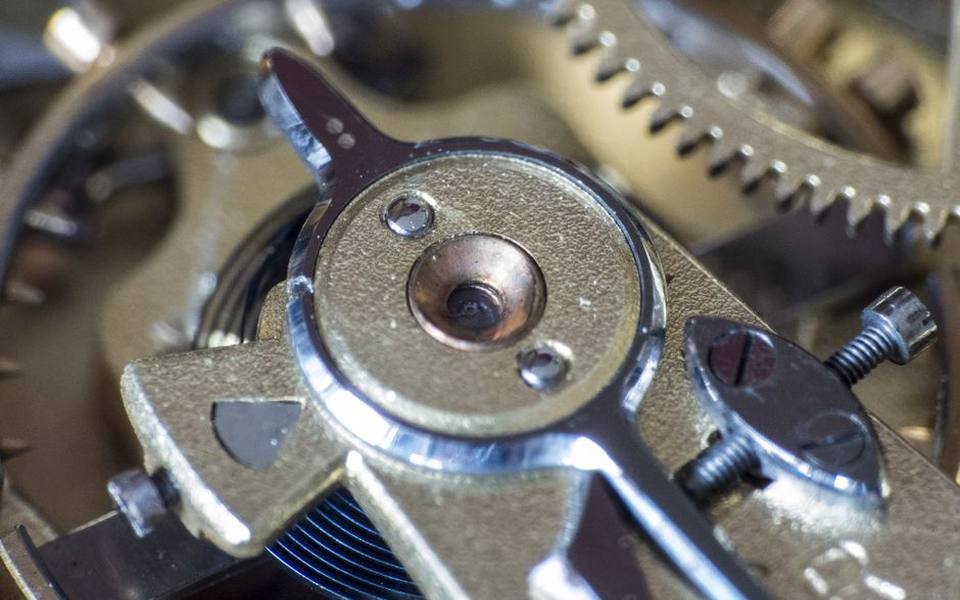
The distinction between standard manual movements and automatic calibers is essential for understanding maintenance requirements. An automatic movement stays wound automatically during regular wear, maintaining continuous tension on the mainspring for optimal amplitude and timekeeping accuracy. However, if an automatic watch sits idle in a drawer for several days, it simply winds down and pauses without causing internal damage, requiring only a few manual turns of the crown to start back up.
Mechanical integrity directly impacts how much cash a dealer will risk offering. Over years of operation, synthetic lubricants inside the movement dry out, leading to microscopic friction and wear on balance pivots or gear teeth. If a watch is losing significant time or the crown feels stiff when winding, a buyer must factor the cost of a full mechanical overhaul into their purchase offer, which can subtract several hundred dollars from the immediate cash payout.
Verifying Authenticity and Spotting Alterations
The pre-owned luxury market contains countless counterfeit watches, aftermarket franken-watches, and stolen property, making authentication the top priority for any reputable dealer. Factory serial numbers and reference stamps are precisely engraved between the lugs or around the internal rehaut ring beneath the crystal. Legitimate engravings feature crisp, clean strokes etched with fine tooling, whereas counterfeit markings often appear shallow, acid-etched, or crooked under magnification.
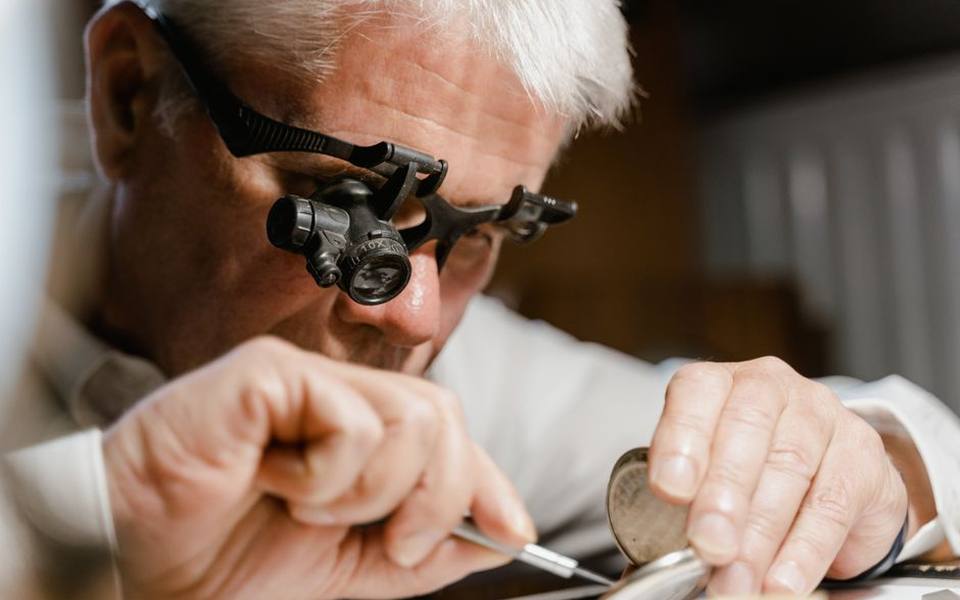
Beyond the outer shell, opening the caseback is standard procedure during any serious appraisal. Rolex calibers feature distinctive finishing, including purple or red Teflon-coated reversing wheels, a Breguet overcoil hairspring, and Microstella balance adjustment screws. Even if a watch looks genuine on the outside, an inexperienced or dishonest owner might have replaced broken movement components with generic third-party parts, which severely undermines the piece's collector value.
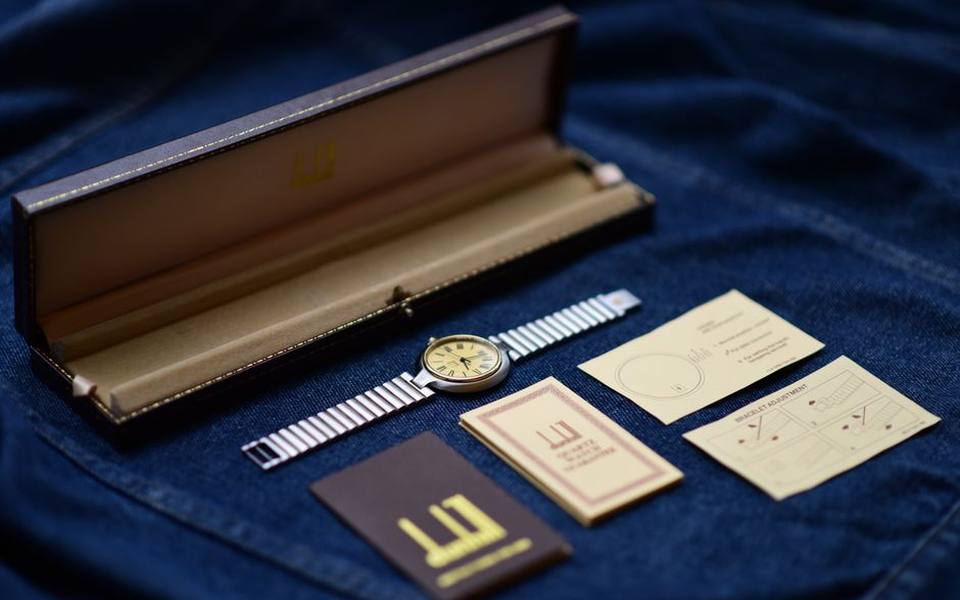
Documentation provides immense peace of mind and measurable cash value. The presence of the original green warranty card, user manuals, serialized hangtags, and presentation box—known collectively as a full set—can increase an offer by ten to twenty percent compared to a naked watch. If you plan to sell through pawn shops dealing in fine jewelry, bringing complete paperwork speeds up the verification process and leads to a firmer, higher offer.
Choosing Between Local Buyers, Consignment, and Pawn Loans
When you decide to part with a high-end timepiece, you have several primary paths depending on your timeline and financial goals. Selling directly online through peer-to-peer forums offers maximum theoretical prices, but it exposes the seller to fraudulent payment reversals, parcel theft, and lengthy listing periods. For individuals who want guaranteed immediate funds without shipping delays, walking into a licensed local broker remains the most practical and secure method.
Local pawn establishments and jewelry brokers evaluate the watch in real time, conduct hands-on testing, and present a firm cash settlement on the spot. If you reside in competitive metro areas, finding reputable storefronts is straightforward through regional directories like pawn shops in Texas or pawn shops in California. These locations deal in high-value goods daily and maintain working capital to fund four- and five-figure transactions without needing bank hold periods.
Another advantage of visiting a storefront is the option of a collateral loan rather than an outright sale. If you need temporary liquidity to cover an unexpected expense but want to preserve your heirloom, a pawn loan allows you to borrow against the watch's assessed value. Once you repay the principal balance and accrued state-regulated finance charges within the agreed term, the broker returns the watch in the exact condition you left it.
Preparing for an In-Person Valuation and Sale
Arriving prepared ensures you receive the strongest offer and a smooth checkout. Start by gathering every extra bracelet link, inner pillow, outer sleeve, receipt, and past service record you own. Even an independent jeweler's pressure-test receipt or an overhaul invoice from several years ago proves that the watch was maintained responsibly, giving the buyer confidence that the movement will not fail shortly after purchase.
Do your homework on realistic secondary market figures before stepping foot into a showroom. Check completed transactions on enthusiast platforms rather than aspirational retail asking prices, which often sit unsold for months. Dealers operate with overhead, inventory holding costs, and resale margins, so expect their direct cash buy offer to sit below full secondary retail. Understanding wholesale spreads keeps expectations aligned and makes negotiations productive.
Personal security is paramount when transporting four- and five-figure timepieces. Travel during daylight hours, keep the watch concealed rather than wearing it openly if you are carrying boxes, and choose verified storefronts listed on independent pawn and dealer directories. Reliable businesses operate secure, camera-monitored facilities with private evaluation booths to protect both your identity and your assets during high-value appraisals.
Published 2026-09-20 · reviewed with each rebuild, last September 2026.
Find pawn shops near you
The directory lists 7,381 pawn shops by state and city — pick your state or use the “Near me” button in the header.
More guides
-
 Money
MoneyHow to Buy Money Orders and Send Wire Transfers
-
 Money
MoneyHow to Buy and Sell Silver Bullion, Coins, and Sterling
-
 Service
Watch Battery Replacement and Sizing Guide: Costs, Links, and Services
-
 Money
MoneyWhere and How to Sell a Used iPhone for Cash Today
-
 Service
Ring Resizing Costs, Metal Limits, and Local Repair Options
-
 Money
MoneyWhere to Buy and Sell Pokemon and Trading Cards
-
 Money
MoneyHow to Sell Gold Jewelry, Scrap Gold, and Diamonds