Typical Costs and What Happens During a Battery Swap
Swapping a dead quartz watch battery typically costs between $10 and $25 at a standard jewelry counter, repair kiosk, or independent watchmaker. If your timepiece features specialized water resistance that requires pressure testing and a fresh synthetic gasket, the service can typically range from $35 to $75. Most simple swaps take less than fifteen minutes while you wait, making it one of the quickest bench services available.
During a routine replacement, a technician opens the case back using either a case knife for snap-on covers or a friction ball or notched wrench for screw-down backs. They lift out the spent cell using non-conductive plastic tweezers to prevent a short circuit, inspect the terminal contact for any signs of corrosion, insert a fresh silver-oxide cell, and press the back securely into place.
When you visit local neighborhood shops or counters specializing in Pawn Shops for Jewelry, staff can often run basic diagnostic checks to ensure the movement actually ticks rather than suffering from a seized gear train. If a new battery does not kickstart the second hand, old hardened lubricants or moisture intrusion are usually the underlying culprits rather than an electrical fault.
Differences Between Traditional Watches and Modern Wearables
Traditional analog and quartz movements use miniature coin-style silver-oxide or lithium button cells designed for easy replacement every two to three years. These cells come in standardized numbering schemes, meaning a bench jeweler can easily cross-reference the tiny code stamped on the top surface. In contrast, modern rechargeable digital wearables rely on internal lithium-ion pouches wired directly to the mainboard.
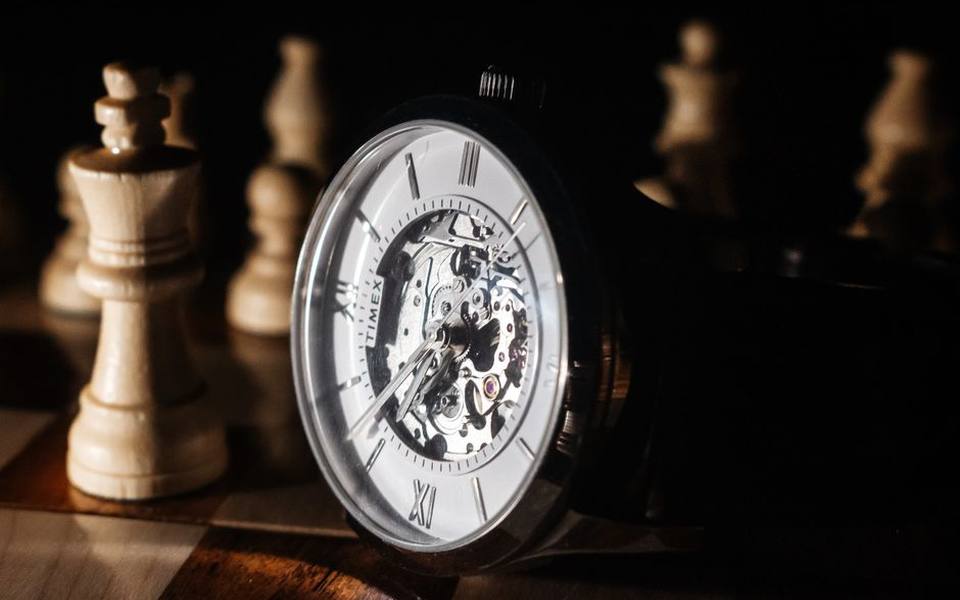
Because modern wearables are built as sealed electronic units, replacing their batteries is not a simple five-minute desk job. It typically involves heating the adhesive around the display glass, carefully disconnecting microscopic ribbon cables, and applying custom waterproof adhesives during reassembly. You will generally need to consult specialized repair tech centers or stores handling used Pawn Shops for Electronics rather than an ordinary jewelry counter for this kind of service.
Turnaround times for rechargeable smart units typically take anywhere from several business days to a couple of weeks, depending on parts availability and whether the unit must be sent to an off-site depot. Costs for sealed digital power cells also vary considerably, often running significantly higher than a traditional coin-cell replacement due to the intricate labor involved.
Sizing Watch Bracelets and Removing Links Safely
Sizing a new or inherited stainless steel bracelet is another routine task that often accompanies a battery replacement. Most shops charge a modest bench fee, typically ranging from $5 to $15, to add or remove links, though many retailers will perform the adjustment at no charge if you purchased the item directly from them. The entire process takes just a couple of minutes when done with proper bench tools.
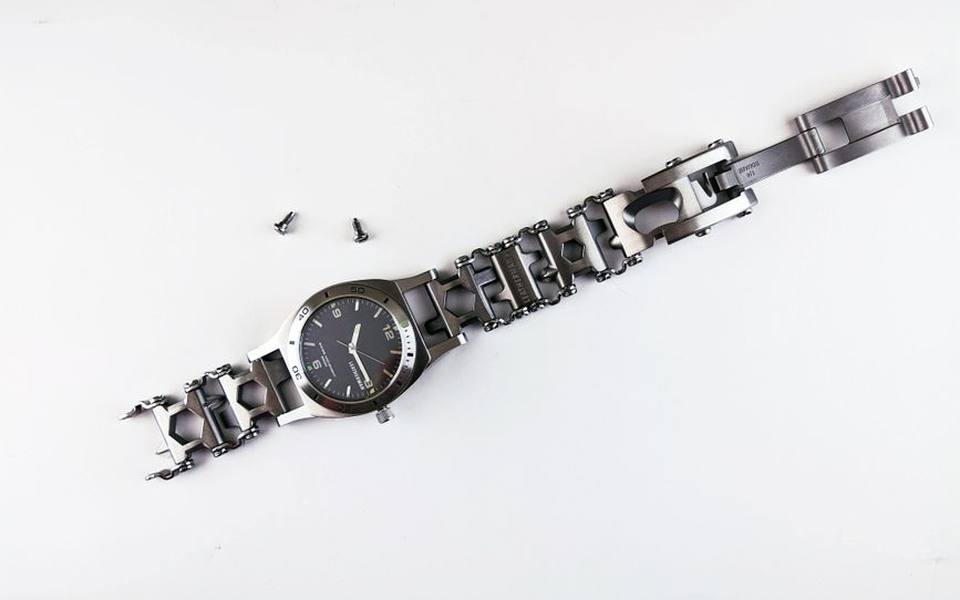
Most metal bracelets rely on friction pins, cotter-style split pins, or tiny threaded screws to join the links together. Technicians identify the directional arrows stamped inside the inner link faces to drive the pins out in the correct direction using a steady pin punch and a slotted plastic bracelet block. Forcing a pin in the wrong direction can bend the shaft or permanently gall the interior steel channel.
Some high-grade bracelets utilize microscopic pin-and-collar systems where a miniature friction sleeve sits inside the center link. Losing this tiny collar during DIY pin removal is the most common reason people find their bracelets coming apart unexpectedly a few days later. Having a steady hand or letting an experienced technician handle the job prevents costly bracelet damage.
Water Resistance, Gaskets, and Case Back Resealing
Any time a case back is detached from a watch, its factory water resistance is compromised until the case is properly resealed. Around the perimeter of the case back sits an elastomeric O-ring gasket that seals the interior chamber against humidity, sweat, dust, and direct water contact. Over several years, this synthetic rubber naturally dries out, flattens, or cracks.
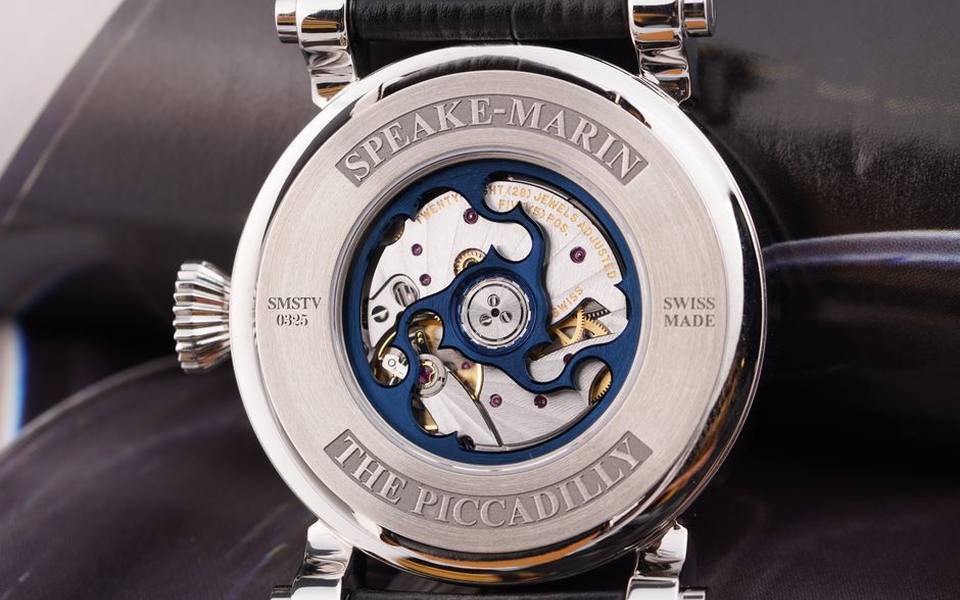
A knowledgeable repair technician will inspect this gasket every time they open the timepiece. In most cases, they apply a microscopic film of pure silicone grease to replenish the rubber or replace the gasket entirely if it appears brittle or deformed. Simply pinching an old gasket when snapping the cover shut can allow moisture to seep inside, fogging the crystal and causing rapid dial degradation.
If you regularly wear your timepiece while swimming, diving, or showering, ask the technician whether their bench includes a dry pressure chamber. Testing the pressure rating confirms that the crown, pushers, and case seals hold vacuum before the watch ever touches water again. Basic kiosk services usually do not offer dry testing, so dedicated horological benches are advisable for serious sports watches.
Choosing Where to Go for Quick Service
You have several convenient options when searching for reliable battery changes and bracelet adjustments. Department store counters, dedicated watch repair kiosks, independent neighborhood jewelry shops, and regional outlets like Pawn Shops in Texas or other state hubs frequently offer on-the-spot bench assistance for everyday quartz timepieces.
If you own a luxury timepiece crafted from gold, platinum, or high-end titanium, consider seeking out specialized watchmakers or certified Gold & Precious Metal Buyers who routinely handle high-value materials. These benches employ specialized non-marring dies, case holders, and screwdrivers specifically designed to avoid scratching soft precious metals during case disassembly.
Before handing over your timepiece, make it a habit to check the physical condition of the watch in front of the counter clerk. Point out any existing scratches on the crystal or case, confirm the price upfront, and ask whether the battery includes a functional warranty, which typically covers between one and two years of normal operation.
Published 2026-09-20 · reviewed with each rebuild, last September 2026.
Find pawn shops near you
The directory lists 7,381 pawn shops by state and city — pick your state or use the “Near me” button in the header.
More guides
-
 Money
MoneyHow to Buy Money Orders and Send Wire Transfers
-
 Money
MoneyHow to Buy and Sell Silver Bullion, Coins, and Sterling
-
 Money
MoneyWhere and How to Sell a Used iPhone for Cash Today
-
 Service
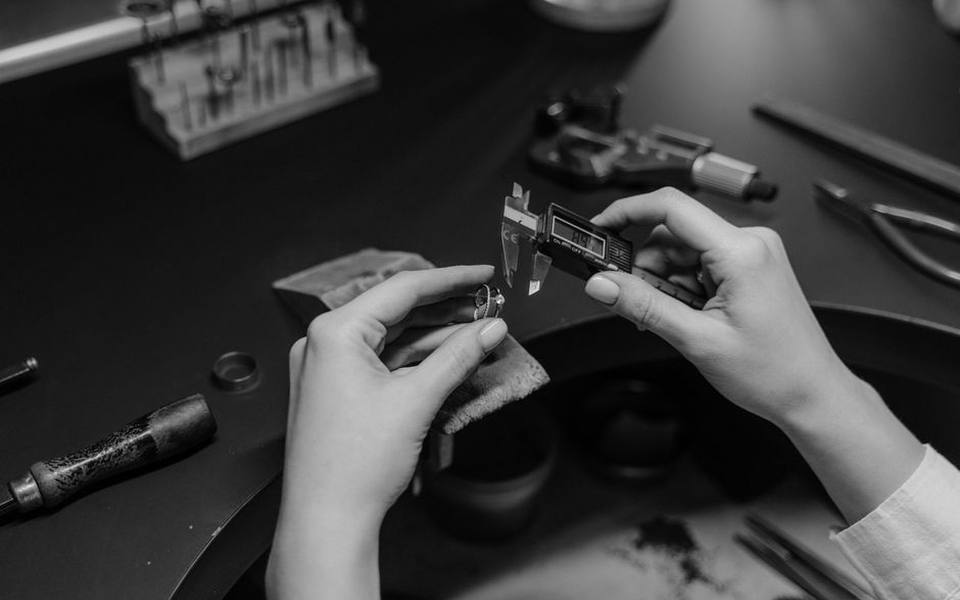
Ring Resizing Costs, Metal Limits, and Local Repair Options
-
 Money
MoneyWhere to Buy and Sell Pokemon and Trading Cards
-
 Money
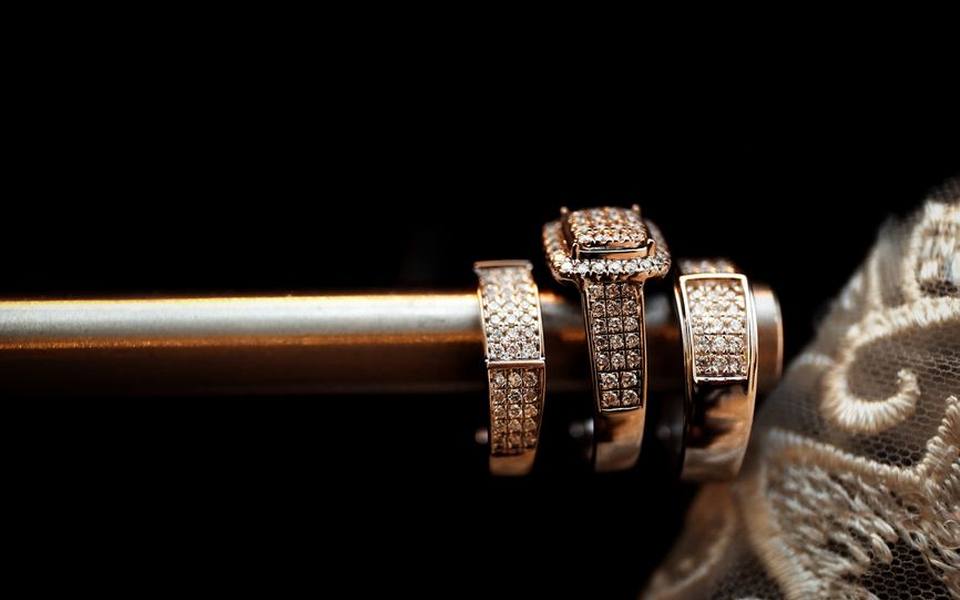
MoneyHow to Sell Gold Jewelry, Scrap Gold, and Diamonds
-
 Money
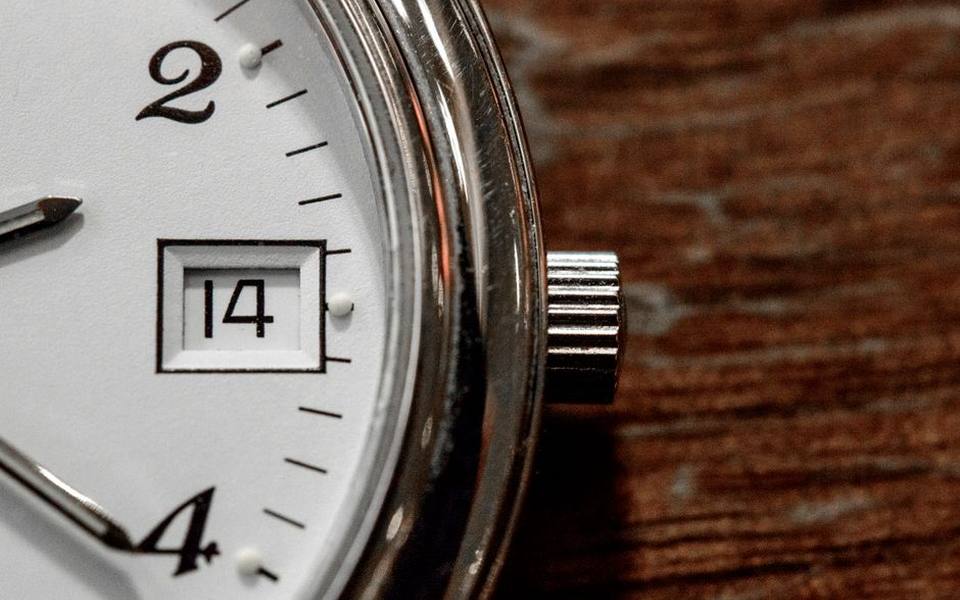
MoneyHow to Buy, Value, and Sell Used Rolex Watches