Understanding how buyers calculate gold payout values
When you bring gold jewelry or scrap items to a counter, offers are calculated primarily on the underlying metal value rather than original retail prices. Dealers determine value by testing the karat purity, weighing the piece on a certified scale, and multiplying that pure metal content by the live market spot price. Because retail jewelry markups often include brand prestige, design labor, and distributor margins, resale payouts represent what the raw materials can be recycled or liquidated for on the secondary market.
Purity determines how much pure gold exists within your item. Pure gold is rated at 24 karats, meaning common jewelry markings represent specific percentages of actual gold. For instance, 10-karat pieces contain roughly 41.7 percent gold, 14-karat items contain roughly 58.3 percent, and 18-karat pieces contain 75 percent. The remainder consists of alloy metals like copper, silver, or zinc, which add structural durability but carry negligible resale value in small amounts.
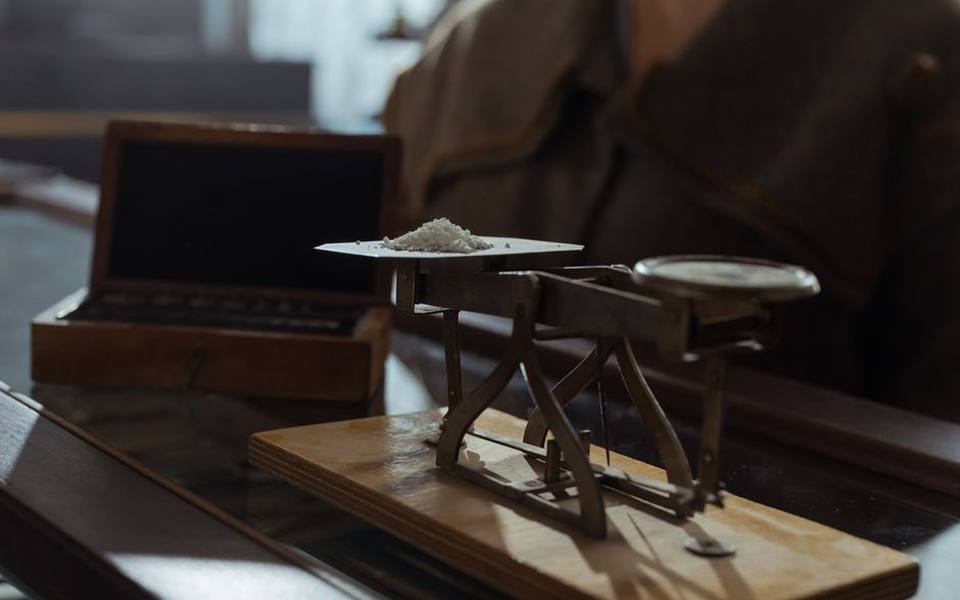
To calculate potential value, dealers convert your item's weight into grams or pennyweights. Once the karat percentage is applied to the total weight, the buyer determines the exact melt value against current market spot rates. Buyers do not pay full spot value because they must cover refining fees, operating overhead, and their own resale margin, meaning customer payouts typically land below benchmark wholesale rates.
Selling scrap metal, broken chains, and raw nuggets
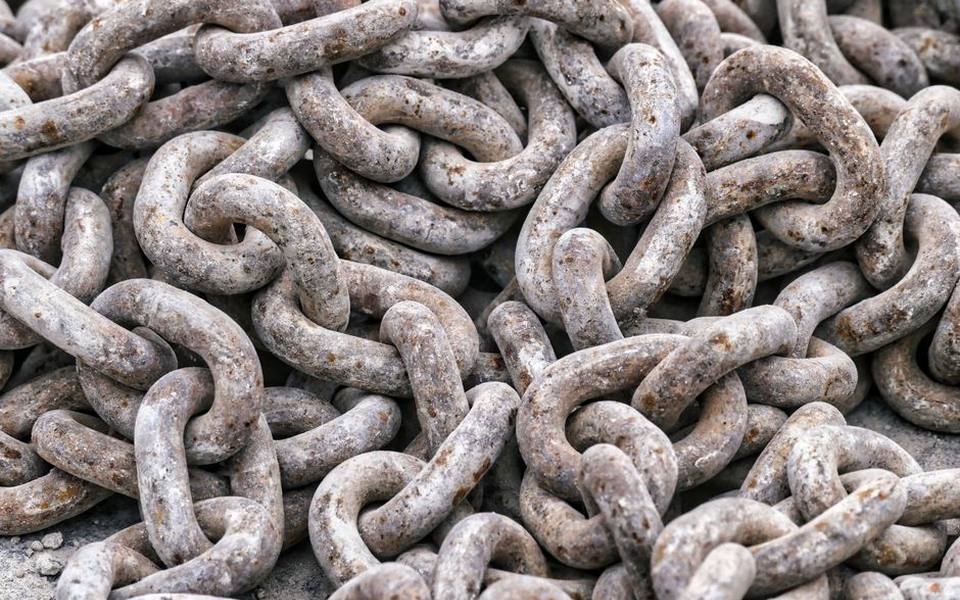
Scrap gold refers to any damaged, outdated, or mismatched jewelry destined for the melting furnace. Broken chains, bent rings, single earrings, and outdated dental gold all qualify as scrap metal. When dealing with scrap, aesthetic appeal and wearable condition do not matter at all. The value relies entirely on physical weight and verified metal content, which appraisers verify using acid testing or non-destructive X-ray fluorescence spectrometers.
Natural gold nuggets and placer gold follow slightly different valuation rules. Nuggets found in the wild are rarely pure twenty-four-karat gold; their purity typically ranges anywhere from seventy-five to ninety-five percent, depending on the geographic deposit. While smaller flake gold is usually bought strictly at melt value, exceptionally large or aesthetically striking nuggets sometimes carry a collector premium above standard spot prices due to their rarity.
Before visiting local counters, sort your scrap pieces by their stamped hallmark numbers and weigh them at home using a digital kitchen or postal scale. Knowing whether you have ten grams of ten-karat or twenty grams of fourteen-karat gold gives you a baseline before speaking with dedicated gold and precious metal buyers, ensuring you can quickly identify whether an offer reflects standard industry margins.
How diamonds and gemstones factor into your offer
Diamonds are valued separately from their precious metal mountings. If you are selling an engagement ring or diamond pendant, the buyer will evaluate the center stone based on the traditional four Cs: carat weight, cut quality, color grade, and clarity. While small accent diamonds known as melee stones often add very little to a scrap payout, certified center stones weighing one-half carat or more hold independent commercial resale demand.
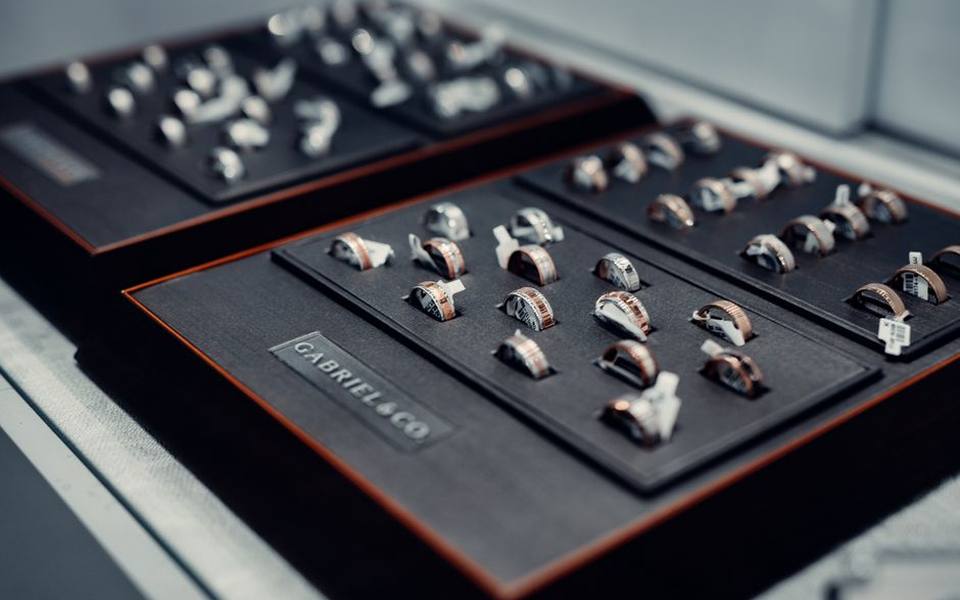
Appraisal paperwork from insurance companies frequently causes confusion for sellers. Insurance appraisals state the estimated retail cost to replace the ring with a brand-new equivalent at full retail price, which can be significantly higher than wholesale cash market value. Resale buyers work backward from wholesale trading sheets, meaning secondary market offers typically reflect a fraction of the figure written on an insurance policy document.
Selling a loose diamond requires independent laboratory documentation whenever possible. Stones accompanied by grading reports from reputable institutions like the GIA carry predictable market parameters that make appraisals faster and more accurate. When liquidating complete estate pieces or designer mountings, visiting reputable pawn shops dealing in jewelry can often yield better offers than pure refiners, because a store with an active retail showroom may resell the piece intact rather than melting it down.
What payout percentages to realistically expect
Payout percentages fluctuate depending on item type, local market competition, and dealer transaction volumes. For scrap gold and broken jewelry, typical payouts range from sixty to eighty-five percent of the underlying melt value. High-volume buyers working on tighter margins may offer rates closer to the higher end of that spectrum, whereas operations with higher overhead or lower volume tend to pay closer to the lower tier.
Diamond payouts usually represent twenty to fifty percent of original retail replacement costs, depending heavily on stone quality and market liquidity. Round brilliant diamonds in popular color and clarity brackets are the easiest to liquidate, while unusual shapes or stones with visible inclusions face steeper discounts. Synthetic or laboratory-grown diamonds have seen steep market price drops, and many secondary buyers offer minimal payouts or decline to buy lab-created gems outright.
Location and local business concentration also play an active role in competitive pricing. In high-density regions with dozens of licensed operators, such as pawn shops across Texas or established stores serving competitive areas in California jewelry buyers, customers generally benefit from narrower dealer spreads and more competitive counter bids.
Preparing your items and navigating transaction requirements
Proper preparation protects you from leaving money on the table. Clean your wearable jewelry gently with warm water and mild dish soap to make hallmarks and diamond facets clearly visible under a jeweler's loupe. Bring any original boxes, certificates of authenticity, or lab grading reports you own, as complete provenance helps verify authenticity quickly and establishes ownership history.
State and federal regulations govern precious metal and jewelry liquidations. In most states, pawnbrokers and secondhand buyers are legally required to verify and photocopy a valid government-issued photo ID, such as a driver's license or passport. Many jurisdictions also mandate holding periods or digital transaction reporting to local law enforcement databases to prevent the circulation of stolen property.
Never feel pressured to accept the first price presented to you at the counter. Getting two or three independent evaluations allows you to compare offers objectively against current spot rates. You can explore vetted local options through the comprehensive PawnAtlas directory of pawn shops to find accredited buyers with transparent testing methods in your area.
Published 2026-09-20 · reviewed with each rebuild, last September 2026.
Find pawn shops near you
The directory lists 7,381 pawn shops by state and city — pick your state or use the “Near me” button in the header.
More guides
-
 Money
MoneyHow to Buy Money Orders and Send Wire Transfers
-
 Money
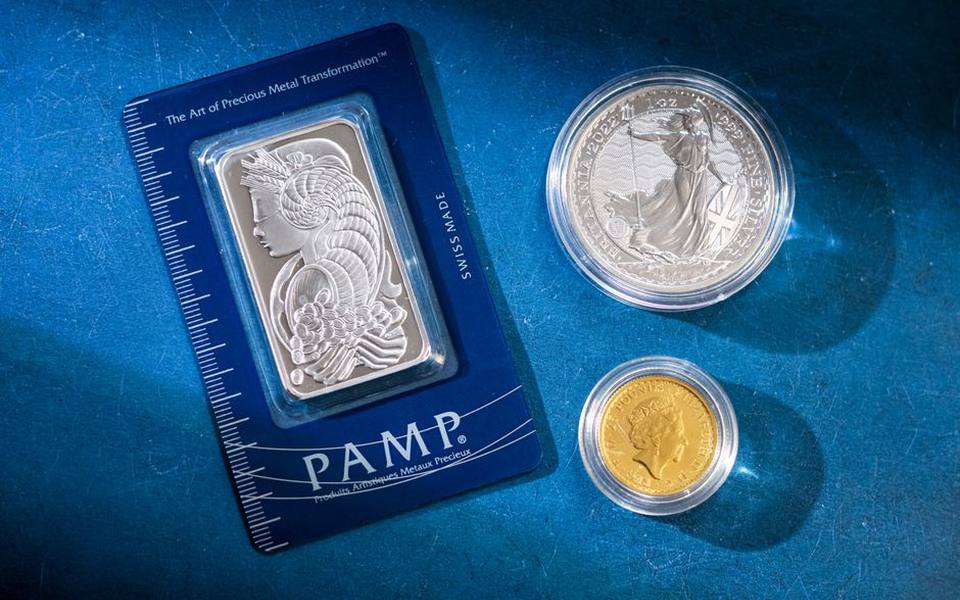
MoneyHow to Buy and Sell Silver Bullion, Coins, and Sterling
-
 Service
Watch Battery Replacement and Sizing Guide: Costs, Links, and Services
-
 Money
MoneyWhere and How to Sell a Used iPhone for Cash Today
-
 Service
Ring Resizing Costs, Metal Limits, and Local Repair Options
-
 Money
MoneyWhere to Buy and Sell Pokemon and Trading Cards
-
 Money
MoneyHow to Buy, Value, and Sell Used Rolex Watches