The Growing Secondary Market for Designer Bags
High-end fashion accessories have evolved from simple retail indulgences into genuine collateral assets over the past decade. Pawnbrokers who historically concentrated on precious metals now routinely appraise and secure designer branded purse models from premier fashion houses. Because top-tier fashion brands regularly increase retail prices while controlling production runs, secondary market demand for pre-owned pieces remains strong across metropolitan and suburban resale venues.
When an owner brings a luxury brand bag to a shop counter, the evaluation process mirrors the precision traditionally applied to fine estate assets. Rather than viewing the item as used apparel, appraisers view it through the lens of brand reputation, collector liquidity, and structural durability. Handbags crafted from durable coated canvases or specialty tanned hides often hold substantial resale equity long after leaving a retail boutique.
Unlike fast-fashion items that lose nearly all monetary value the moment tags are removed, high-end accessories from elite design houses command predictable cash offers. Pawn shops that handle higher volumes of estate inventory frequently maintain specialized scanning equipment and dedicated appraisal staff alongside their counters for jewelry deals. Understanding how these shops verify provenance and grade physical condition ensures you receive an equitable appraisal.
Top Luxury Brands and Their Market Liquidity
Not all designer labels command the same attention or cash value at a collateral lending desk. The secondary lending industry recognizes a clear hierarchy among luxury purse brands, where resale liquidity dictates the loan percentage or cash buyout price. Heritage European fashion houses like Hermès, Chanel, and Louis Vuitton occupy the top tier because their pieces retain consistent collector demand and dependable price floors year after year.
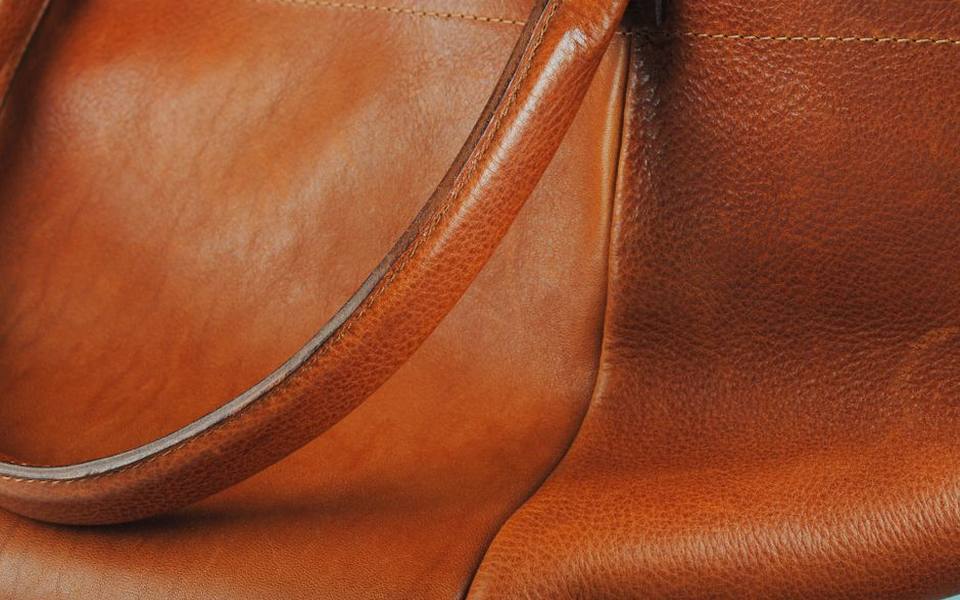
Mid-tier luxury brand handbags from houses such as Gucci, Saint Laurent, Prada, and Celine can also yield reasonable collateral offers, though their market retention typically fluctuates based on current trend cycles. Contemporary luxury labels like Coach, Michael Kors, or Tory Burch rarely command significant collateral loan values because widespread retail discounting and factory outlet saturation depress secondary market pricing.
When evaluating luxury brand purses, pawnbrokers prioritize classic silhouettes over seasonal novelty items. Iconic staples like flap bags, structured totes, and standard cross-body designs maintain stable demand across demographic groups, whereas runway pieces featuring extreme patterns or fragile embellishments often face steep market depreciation and longer shelf turnover times.
Anatomy of an Authentic Louis Vuitton Handbag
Among all luxury items traded on the secondary market, Louis Vuitton hand bags women seek out represent both the highest sales volume and the most frequently replicated inventory. Recognizing Louis Vuitton original handbags begins with understanding the distinct materials the house utilizes. The iconic Monogram and Damier patterns are crafted from specialized PVC-coated cotton canvas rather than leather, providing structural water resistance, durability, and a distinct tactile grain.
On an authentic LV piece, the canvas pattern aligns symmetrically across seams, side panels, and pockets. The monogram symbols follow strict spacing rules established by the brand, meaning a fleur-de-lis or quatrefoil motif should not be randomly truncated by careless seam placement unless necessitated by specific curved silhouettes like the Speedy. Furthermore, the base tone of authentic coated canvas exhibits a rich, matte finish rather than an oily or overly glossy sheen.
The leather trim on classic Louis Vuitton bags for women is composed of untreated, vegetable-tanned French calfskin known as vachetta. Fresh out of the boutique, authentic vachetta displays a pale cream tone that naturally oxidizes over months of use into a rich golden-honey patina. Counterfeit manufacturers frequently attempt to fake this aging process using synthetic dyes, which yield an unnatural orange cast, greasy texture, or painted-on edges that quickly flake under inspection.
Date Codes, Microchips, and Serial Verification
Conducting a proper Louis Vuitton authentication requires understanding how the company has tracked production across different decades. Handbags manufactured between the early 1980s and March 2021 feature stamped date codes hidden within pockets, under leather tabs, or along interior seams. These alphanumeric stamps indicate the manufacturing facility and week of production rather than a unique item serial number, allowing trained appraisers to cross-reference location codes against historical production factory registries.
Beginning in early 2021, Louis Vuitton ceased using stamped date codes and transitioned entirely to embedded radio-frequency identification microchips. These tiny transponders are sealed directly inside the fabric lining or leather panels during assembly. Professional pawnbrokers utilize specialized near-field scanning tools to detect these internal chips, which correspond to internal company databases documenting the manufacturing batch and distribution record.
The presence of a date code or microchip does not automatically confirm authenticity, as counterfeiters routinely copy valid letter-number combinations. Instead, a pawnbroker examines the font structure, heat-stamp depth, spacing, and physical location of the code. If an interior stamp claims a bag was assembled in France during a year when that specific factory was not producing that style, the inconsistency immediately flags the item as illegitimate.
Inspecting Hardware, Stitching, and Heat Stamps
Physical inspection under magnification separates genuine luxury brand bags from high-grade replicas. Authentic hardware on a designer brand bag is typically crafted from solid brass or dense plated alloys that feel cool and heavy in the palm. Cheap replicas often substitute hollow zinc or lightweight aluminum coated in flashy, yellow-toned plating that scratches easily and lacks the substantial mechanical resistance found on authentic zippers and clasps.
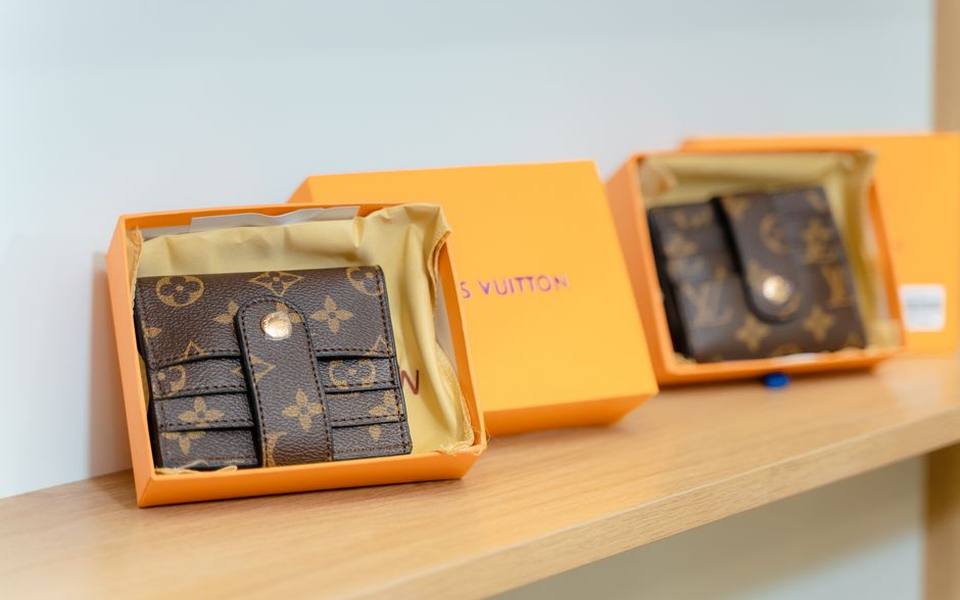
Engravings on zipper pulls, rivets, and clasp hooks provide vital clues during the appraisal process. On authentic pieces, brand names and logos are crisply etched or stamped with uniform depth and razor-sharp clarity. The famous Louis Vuitton heat stamp features very specific font proportions: a perfectly circular uppercase 'O', tight spacing between the letters, and an exceptionally thin horizontal crossbar on the letter 'L' positioned low on the vertical stem.
Stitching standards among premier luxury bag brands are famously rigorous. House artisans use wax-coated linen thread applied at consistent angles, creating uniform diagonal stitch patterns without loose threads, back-and-forth corrections, or uneven stitch counts along parallel seams. On the leather tabs supporting handle attachments, authentic craftspeople maintain exact stitch counts that rarely vary from factory specifications for that model.
How Pawnbrokers Calculate Loan and Purchase Values
When an appraiser reviews a designer purse, the initial assessment focuses on recent completed secondary market transactions rather than original boutique receipts. Retail pricing accounts for marketing, prime retail real estate, and consumer markup, none of which translate directly to liquidation value. Pawnbrokers analyze historical auction data and current resale platform averages to establish an accurate wholesale baseline.
From that secondary baseline, pawnbrokers typically extend short-term collateral loan offers ranging between forty and sixty percent of the expected resale market price. If the customer prefers an outright sale, the shop may offer a slightly higher percentage because the merchant assumes immediate ownership and can market the bag without managing loan compliance or storage timelines. The spread covers holding costs, marketplace fees, and potential price drops.
Physical condition significantly adjusts the baseline calculation upward or downward. Handbags are generally assigned universal condition grades ranging from pristine or mint down to heavily worn. Issues such as ink marks on internal fabric linings, corner scuffing on base leather panels, broken zipper teeth, or lingering tobacco or perfume odors can reduce an offer substantially by restricting the pool of potential downstream retail buyers.
The Provenance Effect: Receipts, Boxes, and Dust Covers
While a bare handbag can still yield a reasonable collateral advance if genuine, arriving at a pawn shop with complete original packaging yields the highest financial return. Secondary buyers pay a notable premium for full-set packages that include the branded dust bag, original cardboard gift box, paper shopping bag, ribbon, and original boutique purchase receipt matching the client's identification.
Original sales receipts provide tangible paper provenance that speeds up the appraisal process, though brokers still authenticate the physical bag independently to guard against authentic receipts paired with counterfeit goods. Receipts confirm the purchase date, retail location, and original transaction amount, giving the collateral loan officer confidence in the client's legitimate ownership and custody chain.
Third-party authentication certificates issued by recognized artificial intelligence scanning services or independent professional verifiers also strengthen your position during negotiations. Providing a pre-verified certificate removes ambiguity and lowers the operational risk for the shop, which frequently translates into faster cash disbursement and a more competitive offer on valuable inventory.
Deciding Between an Outright Sale and a Pawn Loan
Choosing between taking out a short-term collateral loan or selling a luxury purse outright depends on your financial objectives and emotional attachment to the piece. If you need temporary liquidity to address a short-term cash obligation but wish to retain family heirlooms or rare limited-edition pieces, a pawn loan lets you borrow against the item's stored equity without relinquishing ownership.
Under a pawn transaction, the shop securely stores the handbag in a climate-controlled vault for the duration of the lending term, which typically runs thirty to ninety days depending on state regulations. Once the principal balance and accrued interest are settled, the handbag is returned in the exact condition it was surrendered. If the borrower defaults, the pawn shop keeps the bag to liquidate, with zero impact on personal credit scores.
Conversely, if the accessory sits unused in your closet or no longer fits your personal wardrobe, an outright sale provides immediate finality and a higher lump-sum payment. Outright sales eliminate interest accrual and storage fees, allowing you to walk out with cash immediately. Many clients in high-volume markets like New York leverage outright sales to fund upgrades to new luxury collections.
Safe Preparation and Cleaning Before Visiting a Shop
Presenting a clean, well-cared-for accessory dramatically improves an appraiser's first impression and directly impacts the initial offer. Before heading to the counter, thoroughly empty every interior pocket, card slot, and zippered pouch. Lingering receipts, makeup compacts, coins, and loose mints not only add unnecessary weight but also suggest careless long-term storage habits to the inspector.
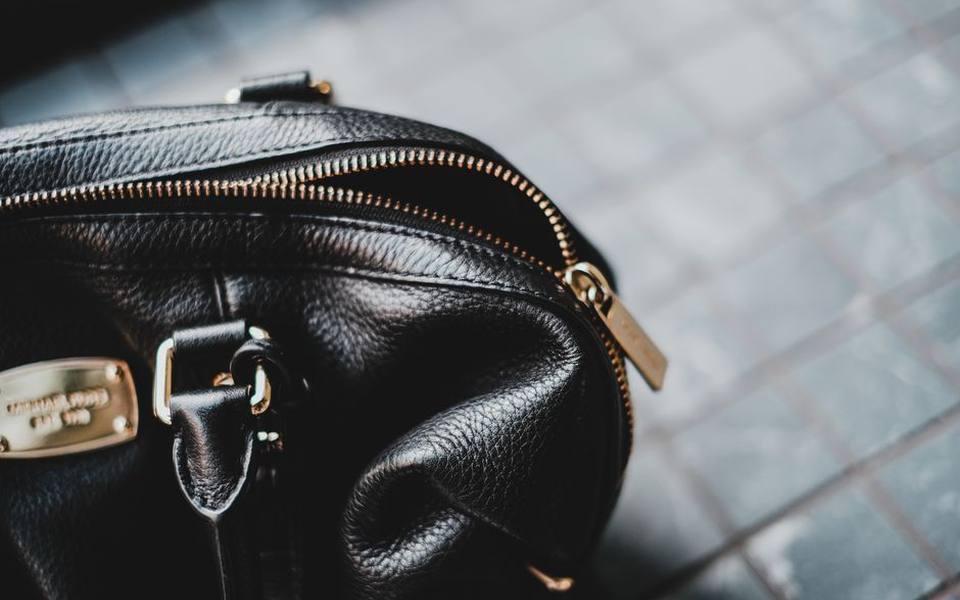
Cleaning must be approached with extreme caution, as improper home remediation can permanently ruin delicate leather goods. Never use alcohol wipes, household surface sprays, baby wipes, or heavy saddle soaps on untreated leather or coated canvas. Solvents can strip the top protective coat from canvas patterns and permanently darken or water-spot natural vachetta leather, irreversibly destroying secondary collector value.
Instead, gently wipe coated canvas panels using a clean, soft microfiber cloth lightly dampened with lukewarm distilled water, then dry the surface immediately with a dry cloth. Use a soft, clean makeup brush to sweep loose lint and dust from interior corners and seams. If the interior fabric has minor cosmetic lint, roll a fresh lint roller gently across the lining rather than applying liquid cleaners.
Navigating Regulations and Finding Reputable Shops
State lending laws strictly govern the operation of pawnbrokers, establishing maximum interest rates, standard loan periods, storage requirements, and identity verification mandates. In large states like Texas and California, licensed pawnbrokers must hold local permits, maintain rigorous anti-theft reporting databases, and store pledged collateral in secure, insured facilities.
When seeking an appraisal for a high-value designer handbag, look for established shops that openly market luxury goods and carry visible high-end inventory. Stores with dedicated jewelry, watch, and luxury accessory departments typically invest in specialized training and multi-point electronic verification technology. Pawnbrokers who handle these pieces daily are far more comfortable extending top-tier loans than shops focusing solely on tools or consumer electronics.
You can explore comprehensive municipal directories across the country on all states to locate licensed, vetted pawn operations near you. Calling ahead to confirm whether a store has a luxury goods specialist on duty ensures you receive an accurate, professional appraisal without unnecessary delays or undervalued ballpark figures.
Published 2026-09-23 · reviewed with each rebuild, last October 2026.
Find pawn shops & check cashing stores near you
The directory lists 29,004 pawn shops & check cashing stores by state and city — pick your state or use the “Near me” button in the header.
More guides
-
 Money
MoneyHow to Buy Money Orders and Send Wire Transfers
-
 Money
MoneyHow to Buy and Sell Silver Bullion, Coins, and Sterling
-
 Service
Watch Battery Replacement and Sizing Guide: Costs, Links, and Services
-
 Money
MoneyWhere and How to Sell a Used iPhone for Cash Today
-
 Service
Ring Resizing Costs, Metal Limits, and Local Repair Options
-
 Buying
Where to Buy and Sell Pokemon, Sports, and Trading Cards
-
 Money
MoneyHow to Sell Gold Jewelry, Scrap Gold, and Diamonds
-
 Money
MoneyHow to Buy, Value, and Sell Used Rolex Watches
-
 Money
MoneyComplete Guide to Check Cashing Services and Fast Cash Advances
-
 Money
MoneyHow to Use In-Store Money Transfer and Foreign Currency Exchange Services
-
 Buying
How to Buy Used TVs, Modern Consoles, and Retro Games at Pawn Shops
-
 Service
Guide to Custom Jewelry Design, Engraving Services, and Gold Grillz
-
 Buying
Buying Certified Refurbished MacBooks and Laptops: Pawn and Resale Guide
-
 Money
MoneyCar Title Loans and Collateral Borrowing: Complete Pawn Loan Guide
-
 Money
MoneyGold and Silver Bullion Trading: Cash for Precious Metals Guide