How Immediate Check Cashing Operates Without a Traditional Bank Account
Walking into a physical storefront to turn a paper check into currency is straightforward, but it helps to understand what happens behind the counter. For individuals without an active bank account or those who cannot wait through a multi-day clearing hold, dedicated cashing counters verify the validity of the check directly with the issuing institution. Tellers review the routing number, call the maker's bank when necessary, confirm your identity, and hand over cash in exchange for a modest service deduction.
The entire transaction typically takes between five and fifteen minutes for standard payroll drafts. Because the cashing vendor takes on the legal and financial risk of the draft bouncing after you leave, they perform instantaneous authentication checks against national check verification databases. If the draft is clean and your credentials check out, you walk away with physical bills rather than pending digital ledger balances.
While modern electronic direct deposits handle a large share of wages, millions of workers receive paper paychecks, tax refunds, insurance settlements, or government benefit drafts. Understanding how neighborhood counters verify funds prevents unnecessary trips, rejected drafts, and excessive processing fees when you need immediate liquidity.
Finding Local Counters and Understanding Where to Go
When you need to turn a paper payment into physical currency, the closest option generally falls into one of three buckets: supermarket customer service desks, dedicated non-bank financial storefronts, or local neighborhood pawnshops. Supermarkets and big-box discount retailers often provide the lowest transaction costs for standard computerized corporate payroll, making them a practical first stop during ordinary retail hours.

Specialized neighborhood retail counters, often operating under national or regional multi-service brands, offer broader flexibility. These storefronts typically operate with extended evening or 24-hour schedules, maintain bilingual staff to assist Spanish-speaking patrons looking for nearby neighborhood services, and handle transactions that standard grocers refuse, such as insurance settlement drafts or out-of-state corporate checks.
If you are comparing local options across regions with heavy retail availability, such as browsing independent counters and licensed neighborhood stores in Texas, you will notice that proximity, operating hours, and accepted draft types vary substantially. Knowing which counter handles your specific draft type saves substantial driving time.
Supermarket Customer Service Desks Compared to Dedicated Storefronts
Big-box discount retailers and regional grocery chains run check cashing operations through their main customer service windows. These retailers generally restrict their service to pre-printed payroll checks, government assistance checks, and tax return checks. They usually impose a strict dollar limit per transaction, often capped between one thousand and five thousand dollars depending on individual corporate guidelines.
Dedicated storefronts and financial service centers provide significantly wider latitude. While a supermarket desk will almost certainly decline a handwritten business check, a two-party personal check, or a large property casualty claim, a standalone cashing counter will often run a manual verification process to clear the payment. This added flexibility comes at the expense of a slightly higher percentage deduction from the total check value.
Supermarket tellers are also constrained by strict automated scanning machines. If the magnetic ink line along the base of your check is lightly smudged or misaligned, automated retail registers will simply reject the document without recourse. Standalone counters have tellers who can manually verify the account and routing numbers with the issuing bank.
Typical Fee Structures and Percentage Deductions
Cashing fees generally follow two distinct calculation models: a flat tier fee or a percentage-based charge. Flat tier pricing is common at supermarket counters, where processing a corporate payroll check under one thousand dollars might incur a flat charge of three to four dollars, while larger checks up to statutory limits might cost between six and ten dollars.
Independent storefronts and dedicated check centers typically apply a percentage fee based on the check category and perceived risk. Computer-generated payroll drafts and federal government checks generally carry the lowest rates, often ranging from one to three percent in most states. Handwritten checks, out-of-state drafts, and settlement checks typically incur higher rates, sometimes reaching five to ten percent depending on local regulations.
Before sliding your check through the service window, always ask the clerk for the exact dollar breakdown of the fee. Legitimate counters are legally required to post their schedule of charges prominently in the lobby, allowing you to calculate the precise amount of net cash you will receive before endorsing the back of the paper.
State Regulations and Consumer Protection Caps
The check cashing industry is regulated primarily at the state level, which creates wide variance in consumer protections and allowable fee ceilings. Certain jurisdictions maintain strict statutory limits on what storefronts can charge. For example, state oversight governing regulated storefront counters in California sets legal caps on percentage deductions for standard payroll and government disbursements.
In states without strict rate caps, counters establish their own pricing schedules based on local competition and operating overhead. Regulatory agencies in these markets focus instead on consumer disclosure, licensing, bonding, and anti-money laundering compliance. Storefronts must hold active municipal or state licenses and maintain clear signage displaying their current schedules.
Understanding your local state guidelines protects you from predatory charges. If a local shop attempts to charge significantly more than the customary regional percentage for a verifiable corporate payroll draft, checking alternative local storefronts in our directory helps locate counters operating strictly within standard fair-practice standards.
How Short-Term Payday Advances and Cash Extensions Work
Many dedicated cashing centers also offer short-term advances, commonly known as payday loans or deferred deposit transactions. In a standard setup, you write a personal check for the amount borrowed plus an established finance fee, or authorize an electronic debit against your checking account dated for your upcoming payday. The lender gives you cash immediately and agrees to hold the paper until the maturity date.
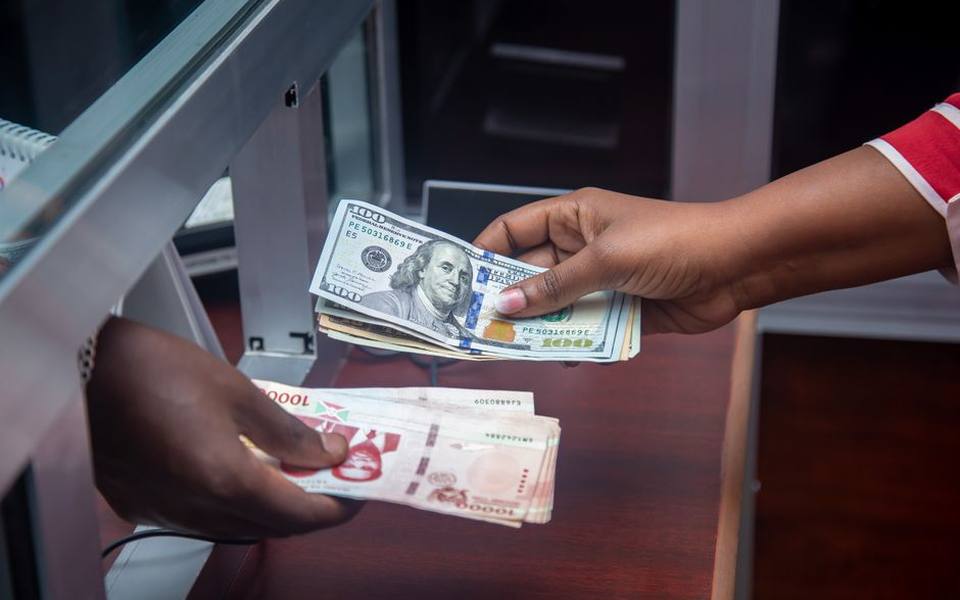
These cash advances are designed to bridge temporary liquidity gaps between pay cycles, but they carry significantly higher annual percentage equivalents than traditional bank lines. Because approval relies on proof of steady income rather than traditional credit scores, tellers verify recent pay stubs, bank statements, and employment longevity instead of running credit bureau reports.
While an advance solves an urgent short-term cash shortage, borrowers must plan carefully for the loan maturity. If the funds are not available when the lender deposits the deferred draft, borrowers face substantial nonsufficient funds fees from their bank alongside default charges from the advance storefront.
Comparing Unsecured Advances to Collateralized Options
When an unexpected emergency arises and a payday advance seems too risky or costly, collateral-based alternatives provide immediate liquidity without tying up future wage checks. Instead of committing your upcoming paycheck to an automated debit, you can secure cash against personal property through neighborhood pawn transactions.
Pawn loans rely entirely on the tangible item you bring to the counter. For instance, reputable precious metal and gold buyers evaluate jewelry or scrap bullion based on raw melt value, providing instant cash with no credit inquiries, no employment verification, and zero risk of collection calls or bank overdrafts if you decide not to redeem the item.
Similarly, consumers often leverage consumer electronics to secure fast cash. Many shops specializing in deals on quality electronics readily accept modern tablets, gaming consoles, and audio equipment as loan collateral. If your budget is tight, pawning an idle asset avoids the high rollover fees and cycle of debt frequently linked to continuous unsecured wage advances.
Required Paperwork, Identification, and Endorsement Rules
To cash any check or secure an advance, you must present an acceptable government-issued photo ID. Acceptable credentials include a valid state driver's license, a state identification card, a U.S. or foreign passport, or a military ID card. Many community-focused centers also accept consular identification cards like the Matrícula Consular, provided the document includes an intact photograph and unexpired validity date.
Wait to sign the back of your check until you are standing directly in front of the teller. If you endorse the check beforehand and lose it in transit, anyone who finds it could theoretically attempt to negotiate the draft. The teller will inspect your signature against the signature on your identification card to ensure a clean match.
Be prepared to provide supplementary contact details, especially on your first visit to an independent store. Counters typically record your current residential address, an active telephone number, and occasionally an employer phone number so they can verify the source of the payment if their computer network triggers an automated review.
Navigating Difficult Drafts: Personal, Two-Party, and Insurance Checks
While automated corporate payroll is simple to process, non-standard checks require extra patience and preparation. Personal checks written by friends, family, or private buyers represent the highest risk of fraud for a cashing center. Consequently, many retail counters decline personal drafts entirely, while specialized storefronts charge higher percentage rates and call the drawer's bank to verify available balances.
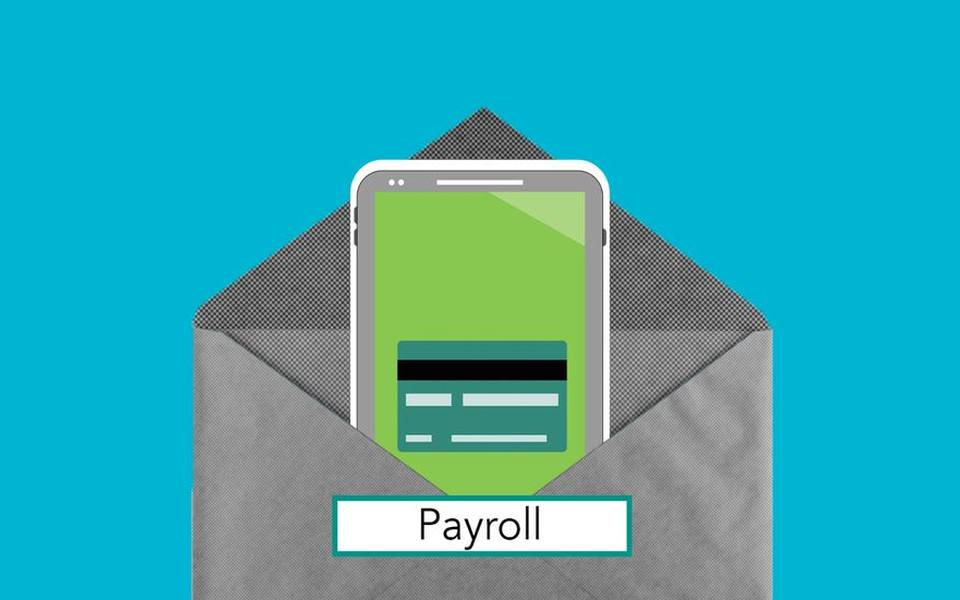
Two-party checks—checks made payable to one person who signs it over to another—are among the most scrutinized instruments in non-bank finance. Most commercial retail desks will flatly refuse two-party checks due to legal liability. Dedicated cashing centers may process them only if both the original payee and the secondary endorser appear in person with valid identification.
Insurance settlement checks often carry substantial dollar amounts, frequently triggering mandatory verification holds. Because casualty checks often name multiple parties—such as both spouses or a vehicle owner and an auto body repair shop—every named party must generally be present to endorse the draft before funds can be released.
Practical Preparation Before Visiting a Local Neighborhood Teller
Before driving to a nearby counter, take two minutes to phone the store and confirm their specific acceptance criteria. Inquire whether they handle your particular check category, ask about their current maximum cash-on-hand limits for single payouts, and double-check their required forms of identification. A brief call saves unnecessary trips across town.
If you are cashing a large draft, consider the practical logistics of walking out with substantial physical currency. Inquire whether the counter can issue part of your funds onto a reloadable prepaid card or split the payout between cash and money orders for immediate bill payments. This minimizes the risk of carrying large wads of currency through public areas.
Finally, take time to explore broader financial service options across our comprehensive directory at PawnAtlas nationwide directory. Comparing local terms, understanding the difference between fee structures, and exploring asset-backed alternatives ensures you make an informed, cost-effective decision every time you access immediate money.
Published 2026-09-21 · reviewed with each rebuild, last October 2026.
Find pawn shops & check cashing stores near you
The directory lists 29,004 pawn shops & check cashing stores by state and city — pick your state or use the “Near me” button in the header.
More guides
-
 Money
MoneyHow to Buy Money Orders and Send Wire Transfers
-
 Money
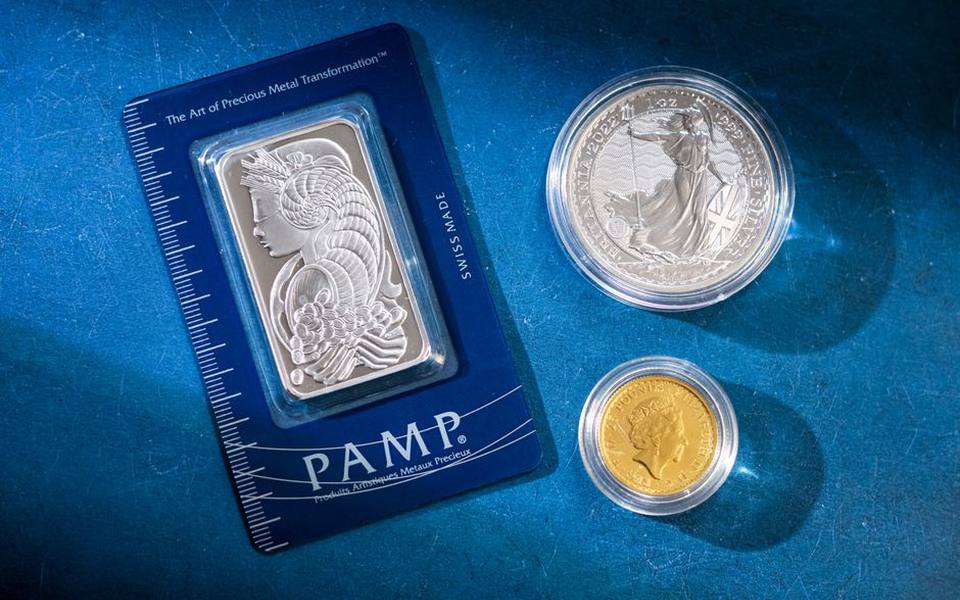
MoneyHow to Buy and Sell Silver Bullion, Coins, and Sterling
-
 Service
Watch Battery Replacement and Sizing Guide: Costs, Links, and Services
-
 Money
MoneyWhere and How to Sell a Used iPhone for Cash Today
-
 Service
Ring Resizing Costs, Metal Limits, and Local Repair Options
-
 Buying
Where to Buy and Sell Pokemon, Sports, and Trading Cards
-
 Money
MoneyHow to Sell Gold Jewelry, Scrap Gold, and Diamonds
-
 Money
MoneyHow to Buy, Value, and Sell Used Rolex Watches
-
 Money
MoneyHow to Use In-Store Money Transfer and Foreign Currency Exchange Services
-
 Buying
How to Buy Used TVs, Modern Consoles, and Retro Games at Pawn Shops
-
 Service
Guide to Custom Jewelry Design, Engraving Services, and Gold Grillz
-
 Buying
Buying Certified Refurbished MacBooks and Laptops: Pawn and Resale Guide
-
 Money
MoneyCar Title Loans and Collateral Borrowing: Complete Pawn Loan Guide
-
 Money
MoneyAuthentic Designer Handbags: How to Value, Authenticate, and Pawn Luxury Purses
-
 Money
MoneyGold and Silver Bullion Trading: Cash for Precious Metals Guide