Walk-in Money Transfers and How Physical Counters Work
Sending funds across town or across an ocean does not always happen through a smartphone app or a traditional checking account. Millions of Americans rely on neighborhood retail counters—including supermarkets, check cashers, postal plazas, and licensed pawnbrokers—to move money quickly. When you walk up to a physical teller, you are essentially exchanging physical greenbacks for an authenticated transaction ledger entry that is made available to someone else in minutes.
Physical counters bridge the gap for unbanked individuals, people who need emergency cash payouts, and travelers who require hard currency rather than digital balances. You hand cash to an agent, supply the recipient's legal name, and specify their destination city or country. In many communities, neighborhood retailers listed on pawn shop directory maps serve as essential multipurpose financial hubs where customers cash checks, settle utility bills, and send remittances under a single roof.
The underlying mechanics are straightforward, but every service carries distinct trade-offs between speed, processing cost, and payout methods. Walking into a store allows you to avoid linking your personal checking account to third-party mobile applications, which provides an added layer of privacy and immediate settlement. However, dealing with physical cash means you must understand counter hours, daily limit caps, and the exact paperwork needed to prevent your transaction from being placed on an administrative hold.
Major Provider Networks at Everyday Retail Desks
Storefronts rarely move money using proprietary bank charters; instead, they operate as authorized agents for established global money transfer service networks. Brands like Western Union, MoneyGram, and Ria power the terminals found behind convenience counters, service plazas, and neighborhood retail establishments. Each network maintains agreements with thousands of physical outlets worldwide, creating a reliable distribution grid that operates independently of traditional commercial bank wire desks.
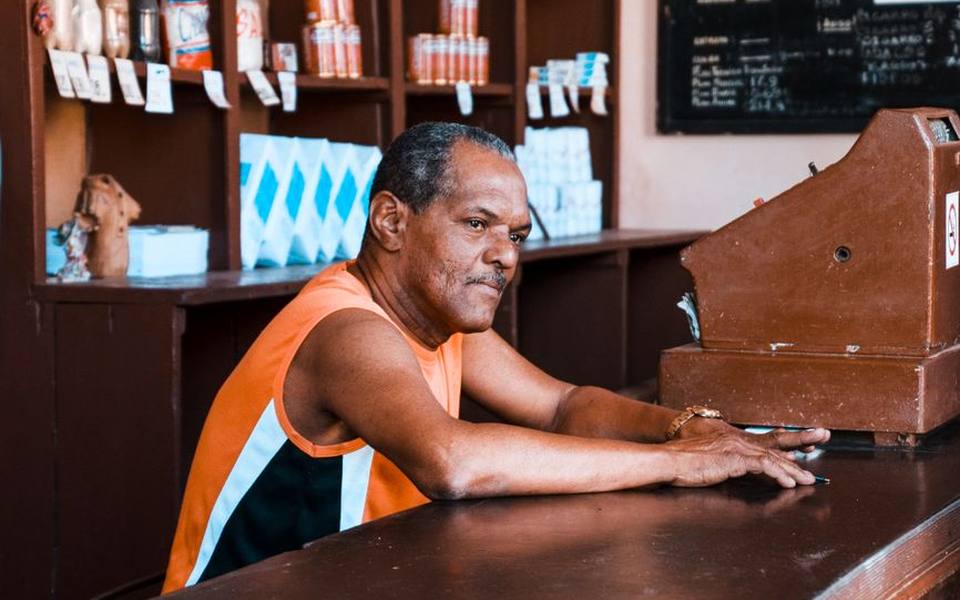
Choosing a network often depends on where your recipient lives and which retail stores are most accessible to you. Many large retail chains partner with specific providers; for example, shoppers commonly look for Ria money transfer counters at massive superstores and regional retail hubs, whereas independent shops in states like Texas or California frequently host multiple branded terminals. These partnerships allow storefronts to offer competitive pricing on cross-border corridors without having to build individual compliance and banking rails from scratch.
While counter agents handle customer intake, the host brand manages transaction clearing, fraud detection, and regulatory reporting behind the scenes. Because fee tiers can vary significantly across networks for the same corridor, taking a moment to compare agent networks before you step up to the register can save you a noticeable percentage on transfer costs, especially for amounts under five hundred dollars where flat service fees bite hardest.
Domestic Cash Wires versus Electronic Funds Transfers
People often use the terms wire transfer and electronic funds transfer interchangeably, but they represent two distinct methods of moving value. An electronic funds transfer typically describes an automated clearinghouse settlement between depository institutions, which moves in batches over one to three business days. In contrast, when you wire funds through an in-person storefront, the transaction clears almost immediately over a private network, authorizing a cash payout in real time.
Because immediate counter transfers clear on proprietary rails, the funds become accessible to your recipient as soon as the terminal issues an identification tracking number. This makes walk-in transfers the standard choice for urgent situations, such as helping a family member stranded with car trouble or posting emergency funds. The trade-off is that an immediate cash wire almost always carries a higher flat transaction surcharge than a standard, slow-clearing bank deposit.
When evaluating which option fits your immediate need, consider how your recipient intends to use the money. If they have an active checking account and do not need the money for forty-eight hours, an electronic bank-to-bank transfer may cost less. If they lack bank access, require physical currency immediately, or need a secure local pickup point, paying the counter fee for a direct cash wire provides clear peace of mind.
Navigating International Remittances and Cross-Border Transfers
Sending an international funds transfer from a local shop involves additional regulatory steps and variable settlement options compared to sending domestic money. Depending on the corridor, your recipient can collect funds in local banknotes at a partner bank, receive a direct deposit into a mobile wallet, or pick up local currency at an authorized corner market. Counter operators are required by federal law to provide a pre-transaction disclosure form outlining exact fees, foreign exchange markups, and estimated delivery times.
Foreign remittances play a huge role in local commerce throughout high-volume regions. In diverse areas like New York, neighborhood money transfer desks process hundreds of daily transactions bound for Latin America, the Caribbean, Europe, and Southeast Asia. Speed can range from ten minutes for cash pickup to two business days for direct bank deposits, depending entirely on the recipient country's banking infrastructure and local operating hours.
Always verify how your recipient's name appears on their government-issued identity card before initiating a cross-border dispatch. Even a minor spelling discrepancy, a missing middle name, or inverted maternal and paternal surnames can cause a foreign disbursement agent to decline payment. Correcting a foreign transfer order after submission often incurs cancellation fees or takes several days while compliance teams manually review the amendment.
Handling Money Orders and Guaranteed Paper Drafts
When you need a paper payment instrument with guaranteed backing, cash transfers step aside for money orders. Unlike personal checks, which can bounce if checking balances fall short, a money order is prepaid with physical currency or a verified debit card at the moment of issue. Counters selling instruments from issuers like Western Union or MoneyGram provide a reliable way to pay monthly apartment rent, utility deposits, or administrative fees without maintaining a bank balance.
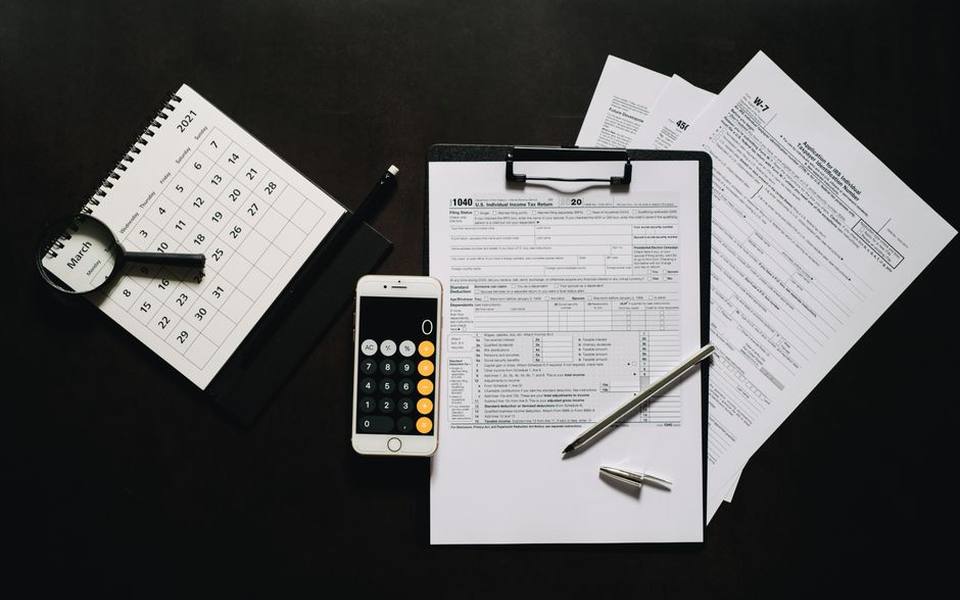
Purchasing a money order requires paying the face value plus a modest administrative fee, which typically ranges from a nominal sum under two dollars up to five dollars depending on the retail merchant. Most commercial issuers cap individual money orders at one thousand dollars each. If you must settle a three-thousand-dollar obligation, the counter clerk will simply issue three separate one-thousand-dollar drafts, each carrying its own individual issuance surcharge.
The moment a printed money order is handed across the counter, treat it like raw cash. Immediately write the recipient's name or corporate payee on the front line in permanent ink, and sign the purchaser line. Leaving a money order blank is an invitation to theft; anyone who gets their hands on an unsigned, blank draft can write their own name as payee and cash it at any commercial check-cashing counter without friction.
How In-Store Foreign Currency Exchange Operates
International travel, return trips from abroad, and cross-border commerce regularly leave people with foreign banknotes that domestic stores will not accept. Dedicated money exchange counters, specialized travel desks, and select storefronts that also serve as gold and precious metal buyers buy and sell physical foreign bills. Unlike wire transfers, which convert currencies digitally, physical currency exchange requires verifying the paper authenticity of every banknote.
Most neighborhood exchange counters maintain inventories of high-volume currencies such as Mexican pesos, Canadian dollars, euros, and British pounds. If you need less common banknotes—such as Japanese yen, Swiss francs, or Brazilian reais—retail desks typically need several business days to order the banknotes from their regional vault distributors. Conversely, selling rare foreign currency back to a local counter may be subject to clerk inspection and inventory caps.
Be aware that physical exchange desks almost universally decline to buy back foreign coins, damaged paper bills, or out-of-circulation series. Foreign central banks regularly update bill designs to deter counterfeiting, and physical exchange counters lack cost-effective ways to repatriate obsolete notes or heavy metal coins. Before bringing a pile of leftover travel currency to an exchange counter, separate coins from clean, uncreased paper bills to ensure a smooth counter experience.
Decoding Conversion Rates and Retail Counter Spreads
Understanding how currency conversion pricing works is the most effective way to avoid overpaying at an exchange window. When you check market conversion values online, you are viewing the mid-market rate—the wholesale benchmark at which commercial banks trade currencies in multimillion-dollar tranches. Retail counters cannot trade at this benchmark; they apply a retail markup, commonly called the spread, to generate a operating margin.
The spread represents the difference between what a shop pays to purchase a foreign banknote and what they charge to sell it back to you. For instance, if the wholesale mid-market rate for a foreign currency is one dollar, a counter might sell that currency for one dollar and eight cents while offering to buy it back from arriving travelers at ninety-two cents. This percentage gap covers vault insurance, inventory carrying risk, and shipping costs associated with handling physical bills.
In addition to the spread, some storefronts assess a flat counter fee per transaction, while others advertise zero-commission trades but build a slightly wider spread into their exchange rates. To evaluate the true cost of an exchange, calculate the net total of home currency you surrender against the physical foreign currency received. A wider spread with no transaction fee might be economical for a tiny fifty-dollar exchange, but for a thousand-dollar transaction, an exchange desk with a tight spread and a small flat fee almost always yields more money.
Daily Limits, Identification, and Anti-Fraud Compliance
Retail financial transactions are closely regulated under federal Bank Secrecy Act and anti-money laundering frameworks. Store operators must maintain rigorous records to prevent financial fraud, identity theft, and unlicensed transmission. Because of these regulations, expect a retail counter to ask for valid government photo identification—such as a state driver's license, military ID, or foreign passport—even for routine transfers that seem modest in scope.
Counter limits vary depending on store policy and provider guidelines, but single transactions typically face thresholds starting around one thousand dollars, with strict reporting mandates triggered at three thousand dollars. Attempting to circumvent these reporting rules by breaking a single large transaction into multiple smaller transfers across several stores—an illegal practice known as structuring—will trigger automated fraud flags and permanently ban you from the provider network.
Retail desks also enforce limits on who can collect outgoing or incoming money. In most states, the individual picking up funds must match the full legal name submitted by the sender and must present an unexpired physical photo identity card. Minor typos in a name can cause terminal software to lock the payout until the originating clerk manually amends the file, emphasizing the importance of double-checking all spellings before finalizing the transaction.
A Step-by-Step Guide to Completing a Counter Transfer
Executing a clean walk-in transfer requires a structured approach before you step up to the teller window. First, verify the recipient's primary legal identification details, including their complete first, middle, and last names, alongside their city, state, or foreign territory. Count out your physical cash ahead of time, factoring in both the principal amount you intend to transfer and sufficient funds to cover the flat counter service charge.
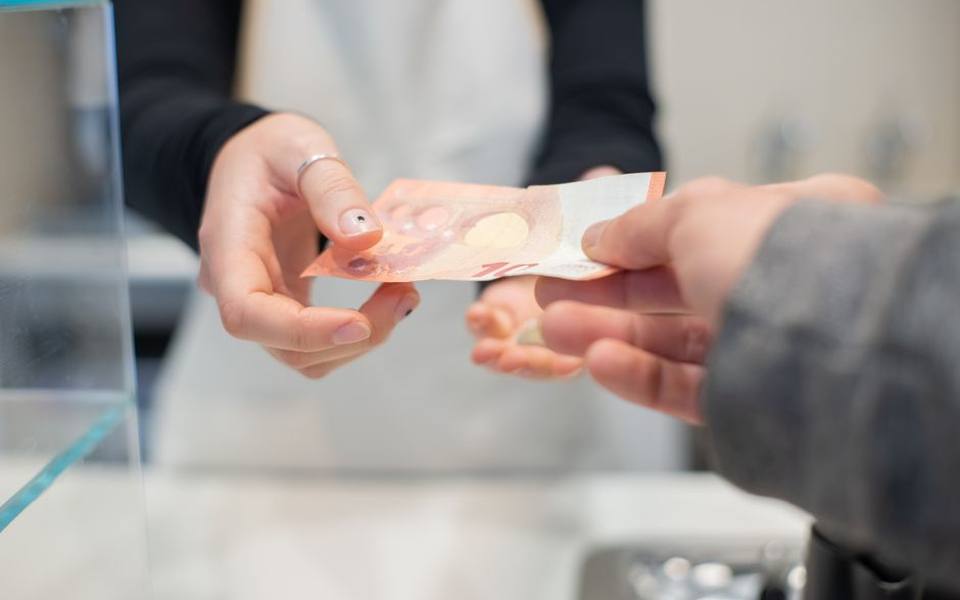
At the counter, you will fill out a concise dispatch form or key your details directly into a customer-facing kiosk screen. Once the clerk keys your information into their system, review the printed preview slip carefully before the clerk commits the record. Check every character of the recipient's name, the destination location, and the final payout currency. Once approved, the terminal processes the debit and issues a receipt bearing a unique tracking number, commonly known as a Money Transfer Control Number (MTCN) or reference PIN.
Keep your paper receipt in a secure place and transmit the tracking number directly to your recipient via a secure phone call or private message. Remind your recipient that they must carry their matching government photo identity card to their local payout counter. Under normal counter operating conditions, cash transfers are accessible across partner locations within ten to twenty minutes of the teller issuing the confirmation receipt.
Common Red Flags and Protecting Your Money
Because retail cash transfers clear almost instantly and payout cash directly across counter desks, they are a primary target for sophisticated financial scammers. Once an unauthorized recipient collects physical banknotes at a destination counter, those funds are virtually impossible to reverse or claw back. Legitimate businesses, utility companies, government agencies, and court systems will never demand payment through an over-the-counter money transfer or prepaid money order.
Beware of common social engineering schemes, such as urgent calls from supposed grandchildren needing emergency bail, online sellers requiring transfer receipts before shipping merchandise, or work-from-home offers that send you a check and ask you to transfer back a portion via a local counter. Counter tellers are trained to watch for distressed customers reading scripts from their phones, and they may ask protective questions if they suspect you are sending money to a predatory third party.
If you suspect that a transaction you just initiated was fraudulent, inform the counter agent immediately before the recipient collects the funds. If the payout has not yet occurred, the clerk can trigger an emergency stop and void the tracking number, allowing you to reclaim your principal balance minus the non-refundable network fee. However, once the terminal confirms a payout at the foreign or domestic destination desk, the provider cannot recover your cash.
Published 2026-09-21 · reviewed with each rebuild, last October 2026.
Find pawn shops & check cashing stores near you
The directory lists 29,004 pawn shops & check cashing stores by state and city — pick your state or use the “Near me” button in the header.
More guides
-
 Money
MoneyHow to Buy Money Orders and Send Wire Transfers
-
 Money
MoneyHow to Buy and Sell Silver Bullion, Coins, and Sterling
-
 Service
Watch Battery Replacement and Sizing Guide: Costs, Links, and Services
-
 Money
MoneyWhere and How to Sell a Used iPhone for Cash Today
-
 Service
Ring Resizing Costs, Metal Limits, and Local Repair Options
-
 Buying
Where to Buy and Sell Pokemon, Sports, and Trading Cards
-
 Money
MoneyHow to Sell Gold Jewelry, Scrap Gold, and Diamonds
-
 Money
MoneyHow to Buy, Value, and Sell Used Rolex Watches
-
 Money
MoneyComplete Guide to Check Cashing Services and Fast Cash Advances
-
 Buying
How to Buy Used TVs, Modern Consoles, and Retro Games at Pawn Shops
-
 Service
Guide to Custom Jewelry Design, Engraving Services, and Gold Grillz
-
 Buying
Buying Certified Refurbished MacBooks and Laptops: Pawn and Resale Guide
-
 Money
MoneyCar Title Loans and Collateral Borrowing: Complete Pawn Loan Guide
-
 Money
MoneyAuthentic Designer Handbags: How to Value, Authenticate, and Pawn Luxury Purses
-
 Money
MoneyGold and Silver Bullion Trading: Cash for Precious Metals Guide