How Physical Bullion Trading Operates at the Counter
Trading physical precious metals is fundamentally different from trading paper contracts or mining shares. When you step up to an appraisal window to exchange metal for immediate funds or acquire tangible assets, the deal hinges directly on current market spot values, physical purity, and dealer inventory margins. Understanding how shops value raw weight versus fabricated products keeps expectations realistic.
Most neighborhood storefronts and specialized counters base their transactions on real-time commodity spot rates that fluctuate during market hours. When sellers look to trade scrap metal or bullion for immediate payment, the appraiser determines the exact fine metal weight, strips away non-precious weight, and applies a standardized percentage margin that allows the shop to resell or melt the metal profitably.
Buyers entering the market face the inverse of this calculation. Retail bullion products carry a premium over spot value that reflects manufacturing, refining, distribution, and local operational overhead. Whether you are liquidating a legacy collection or allocating personal savings into physical reserves, understanding the balance between spot pricing and retail premiums will dictate whether your transaction is financially sound.
Finding Reliable Local Counters and Immediate Cash Options
Searching for an immediate cash payout on scrap jewelry, sovereign coinage, or minted bars typically leads people to neighborhood pawn shops and specialized metallurgical brokers. While high-volume internet wholesalers exist, local neighborhood counters provide the unmistakable benefit of same-day cash payment without shipping risks, postal insurance complications, or processing delays that can stretch across weeks.
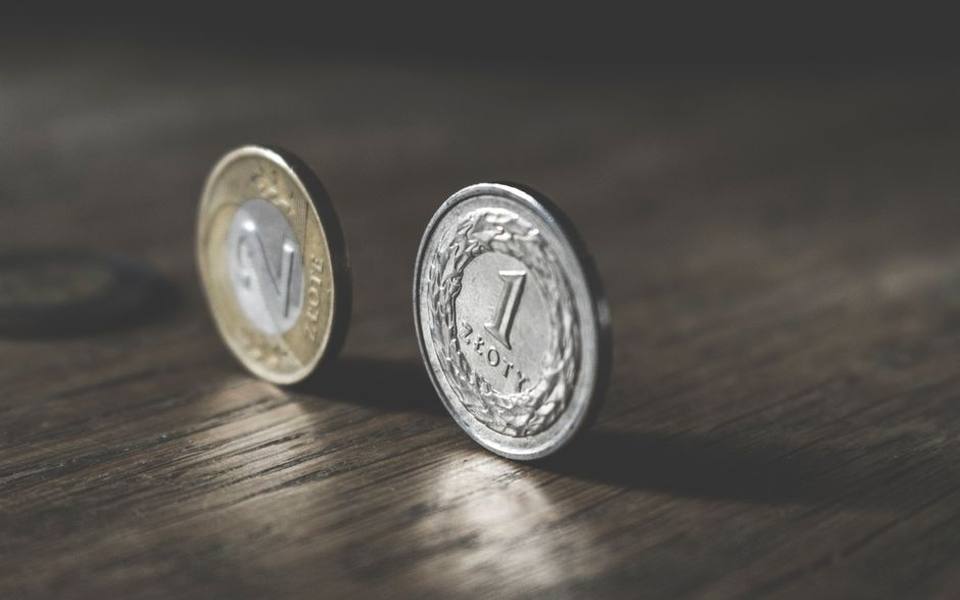
A trustworthy local shop maintains full transparency throughout the evaluation process. When seeking reputable precious metal dealers in your area, look for businesses equipped with calibrated, state-certified scales positioned directly within your field of view. Reputable storefronts will freely quote current commodity baseline figures and explain precisely how many percentage points below market value their cash offer sits.
Many experienced collectors and liquidators start by checking a specialized in-house counter that buys gold and other precious metals to establish a realistic baseline before committing. Across more than 4,676 listings in top states, community-based shops handle hundreds of daily transactions, offering competitive liquidity for those who need immediate cash without long clearance periods.
Before handing over family heirlooms or investment items, inspect the premises to confirm they comply with municipal licensing and second-hand dealer regulations. Certified businesses record state identification, document serial numbers where applicable, and maintain clean audit trails that protect both parties against stolen merchandise and fraudulent transactions.
Evaluating Small Gold Pieces and Cast Biscuits
Gold bullion exists in various shapes and purities, ranging from common jewelry alloys to fine investment castings often termed gold biscuits or wafers. Understanding the karat system is vital before attempting to trade these items. Pure investment gold is graded at twenty-four karats, or 99.9 percent purity, whereas wearable jewelry items are typically alloyed down to fourteen or ten karats to increase durability.
When purchasing or selling smaller gold units, fractional bars and small poured pieces often carry proportionally higher manufacturing markups than standard one-ounce rounds. A five-gram or ten-gram cast ingot requires distinct minting, assay packaging, and distribution steps that remain fixed regardless of total weight, which inevitably raises the per-gram acquisition cost above standard bulk commodity rates.
Appraisers test poured ingots and loose pieces thoroughly because cast items lack the intricate micro-engravings found on high-end sovereign coins. Testing methods typically verify density, surface conductivity, and magnetic response before an offer is made. If you bring in items mixed with gemstone settings, review resources for pawn shops for jewelry to see whether stone value will be factored into the payout.
Understanding Silver Bars and Standard Weight Sizes
Silver bullion represents an accessible, high-volume asset class, but its physical bulk introduces practical logistics that differ sharply from denser metals. The physical market trades predominantly in standard metric grams or troy ounces, with rectangular bullion bars serving as the foundational building block for private vaults and commercial refiners alike.
Among intermediate investors, ten ounces of silver remains one of the most widely traded bar dimensions on the secondary market. A ten-ounce ingot balances ease of storage with reasonable per-ounce manufacturing premiums, making it significantly more cost-effective than ten individual one-ounce pieces while remaining far easier to liquidate than a heavy one-hundred-ounce commercial block.
Industrial refiners stamp reputable bars with explicit hallmarks denoting the producer, exact troy weight, and minimum fineness, which standardizes at .999 purity for investment grade bullion. Keeping silver bars sealed inside their original protective plastic membranes prevents surface oxidation, unsightly handling scuffs, and chemical tarnishing that could complicate verification during eventual resale.
Navigating Sovereign Silver Coins and Private Rounds
Newcomers to physical precious metals often confuse sovereign government coins with privately minted bullion rounds. While both formats commonly contain one troy ounce of fine silver, their legal status, collector demand, and pricing structures vary considerably across retail counters.
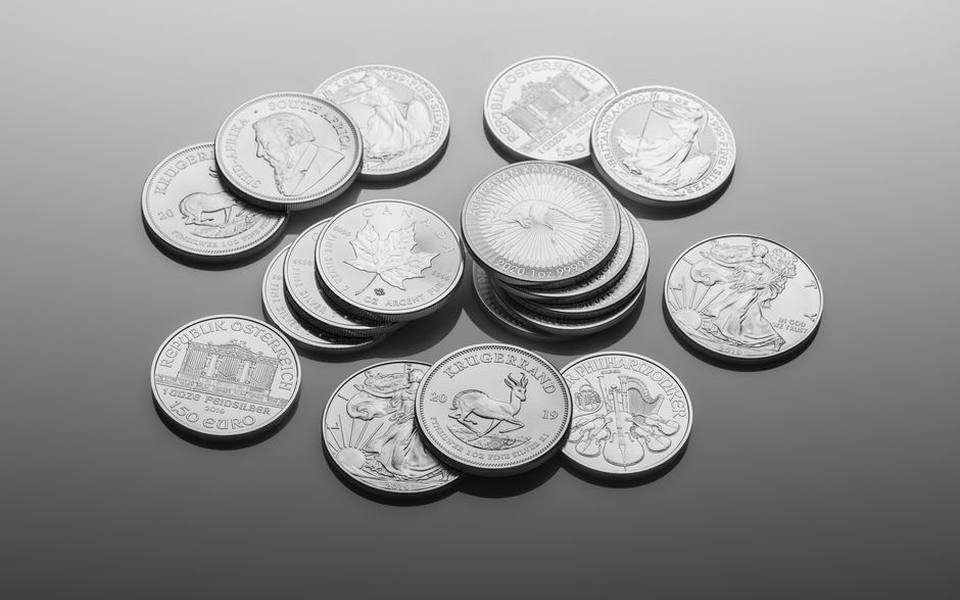
Sovereign issues, such as the American Silver Eagle or Canadian Maple Leaf, carry official legal tender face values backed by issuing national governments. This sovereign guarantee, combined with stringent anti-counterfeiting security features like radial lines and micro-laser engravings, gives them nearly universal liquidity at pawn counters worldwide, albeit at a slightly higher initial retail premium.
Conversely, private mint rounds are produced by commercial refiners without legal tender status. They generally trade at tighter margins closer to spot value, making them attractive for maximizing raw silver acquisition. When purchasing silver coinage locally, examine whether the piece commands a collectible numismatic premium or if its value relies strictly on bullion weight.
Liquidation values reflect these minting distinctions. While an appraiser might offer a modest premium above raw spot for popular sovereign silver coins due to strong customer turnover, privately pressed rounds typically receive payouts right around or slightly below the prevailing silver spot figure.
Comparing Local Physical Shops with High-Volume Online Outlets
Choosing between an online brokerage and an independent neighborhood pawnbroker depends heavily on transaction size, speed requirements, and personal comfort regarding financial privacy. Online wholesalers operate with massive national inventories and sometimes feature tighter theoretical buy-sell spreads on paper, but their overall convenience is offset by real-world friction.
Ordering through mail-order outlets requires digital banking trails, non-trivial shipping fees for modest orders, and signature delivery requirements that can leave valuable packages vulnerable in transit. Furthermore, liquidating to an online platform forces you to ship your metal before receiving payment, introducing days of anxiety while waiting for warehouse verification and bank wire clearance.
Walking into an established physical store solves the delay problem instantly. When you complete an in-person exchange, you inspect the testing equipment yourself, settle on a final figure across the counter, and leave with immediate cash or direct funds in hand without shipping logistics or postal insurance disputes.
How Professional Appraisers Verify Authenticity and Purity
Because counterfeit bullion has grown increasingly sophisticated in recent years, reputable counters rely on non-destructive scientific instruments rather than crude filing or damaging chemical scrapes. Understanding how your metal is assessed eliminates suspicion and helps you verify that testing is conducted properly.
The standard testing process begins with precise dimensions and mass checks. Because tungsten mimics the density of gold and silver substitutes closely match dimension, calibrated digital scales and digital calipers provide the baseline diagnostic. Items failing basic weight-to-thickness ratios are quickly identified as suspect before further evaluation.
Modern appraisers routinely utilize electromagnetic resonance instruments, like Sigma Metalytics analyzers, which transmit signals beneath surface plating to confirm electrical resistivity across the core of the bar or coin. High-volume operations often utilize handheld X-ray fluorescence (XRF) spectrometers, measuring the exact elemental percentages of surface alloys within seconds without leaving a single scratch on your bullion.
Calculating Spot Premiums and Secondary Resale Spreads
The spot price displayed on financial news terminals represents the benchmark value for large, commercial wholesale contracts delivered at centralized exchange warehouses. It does not represent the literal price an individual pays to buy a single coin or the exact amount an appraiser pays to purchase raw scrap.
Retail pricing operates on a spread—the gap between the bid price (what the counter pays you) and the ask price (what you pay to purchase from their inventory). For high-liquidity gold items, this spread might range around two to eight percent depending on local competitive market conditions and current demand cycles.
Silver inherently commands wider percentage spreads because its lower dollar-per-ounce value requires greater physical handling, heavier storage footprints, and higher shipping freight per dollar traded. Familiarizing yourself with regional norms across markets like pawn shops in Texas can reveal how local supply dynamics impact counter margins.
Safe Storage, Transport, and Maintaining Liquidity
Securing physical bullion requires common sense and disciplined confidentiality. The primary defense for personal precious metals is anonymity; discussing private precious metal holdings with neighbors, acquaintances, or across public social channels significantly increases exposure to residential burglary.
Store your bars and coins in a dry environment inside airtight containers to prevent silver oxidation and protect plastic packaging seals. A quality fire-rated home safe bolted directly to concrete floor joists provides strong security for working inventories, while larger personal reserves often warrant third-party private vault depository storage.
Maintain clear paper receipts detailing purchase dates, invoice amounts, and serial identifiers in a separate, secure file away from the physical metal. Having original documentation not only simplifies personal capital accounting when liquidating down the road, but also instantly reassures local appraisers regarding clear provenance.
Practical Preparation for Your Counter Transaction
Approaching a transaction well-prepared ensures you receive fair treatment and walk out with optimal value. Before driving to a shop, check the prevailing commodity spot rates on the day of your visit so you understand the underlying market baseline before evaluating any dealer quote.
Separate your items logically by metal category and estimated purity ahead of time. Grouping twenty-four karat bullion separate from mixed karat estate jewelry prevents misunderstandings and speeds up testing. Bring a valid government-issued photo identification card, as state laws universally mandate identification logging for precious metal counter transactions.
Never hesitate to request clarification on how an offer was computed. A professional appraiser will gladly walk you through the math, detailing gross weight, net purity conversion, and the percentage margin applied. If an offer feels significantly below reasonable regional benchmarks, you retain full liberty to decline the deal and explore alternate registered counters in the nationwide pawn shop network.
Published 2026-09-23 · reviewed with each rebuild, last October 2026.
Find pawn shops & check cashing stores near you
The directory lists 29,004 pawn shops & check cashing stores by state and city — pick your state or use the “Near me” button in the header.
More guides
-
 Money
MoneyHow to Buy Money Orders and Send Wire Transfers
-
 Money
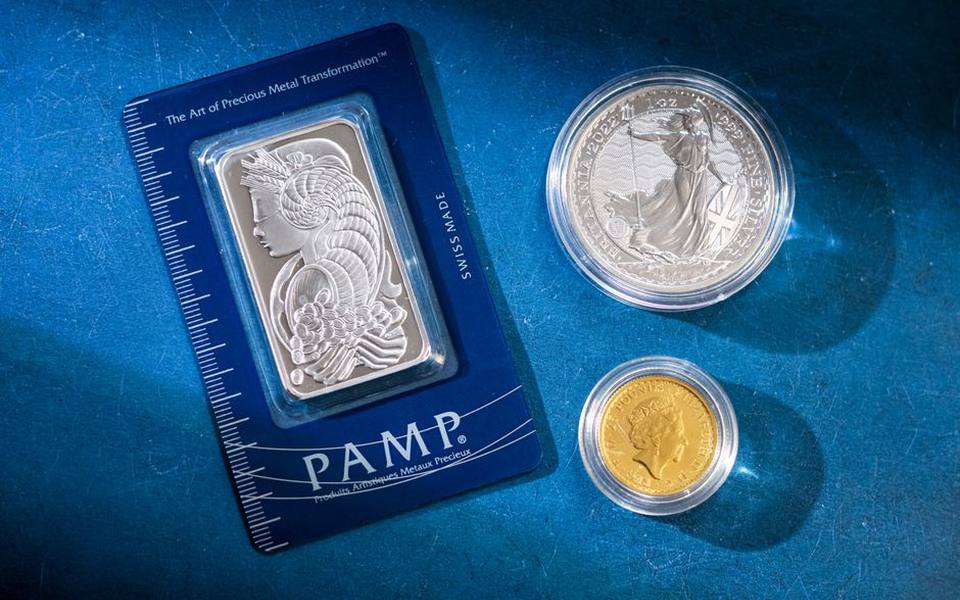
MoneyHow to Buy and Sell Silver Bullion, Coins, and Sterling
-
 Service
Watch Battery Replacement and Sizing Guide: Costs, Links, and Services
-
 Money
MoneyWhere and How to Sell a Used iPhone for Cash Today
-
 Service
Ring Resizing Costs, Metal Limits, and Local Repair Options
-
 Buying
Where to Buy and Sell Pokemon, Sports, and Trading Cards
-
 Money
MoneyHow to Sell Gold Jewelry, Scrap Gold, and Diamonds
-
 Money
MoneyHow to Buy, Value, and Sell Used Rolex Watches
-
 Money
MoneyComplete Guide to Check Cashing Services and Fast Cash Advances
-
 Money
MoneyHow to Use In-Store Money Transfer and Foreign Currency Exchange Services
-
 Buying
How to Buy Used TVs, Modern Consoles, and Retro Games at Pawn Shops
-
 Service
Guide to Custom Jewelry Design, Engraving Services, and Gold Grillz
-
 Buying
Buying Certified Refurbished MacBooks and Laptops: Pawn and Resale Guide
-
 Money
MoneyCar Title Loans and Collateral Borrowing: Complete Pawn Loan Guide
-
 Money
MoneyAuthentic Designer Handbags: How to Value, Authenticate, and Pawn Luxury Purses